 Save
Save There's something about hojicha that stops me mid-breath—that roasted, almost tobacco-like warmth that fills a kitchen and makes everything feel intentional. I discovered this cake on a quiet afternoon when a friend brought me a tiny slice from a Japanese patisserie, and I spent the next hour chasing that delicate smoke through layers of impossibly light sponge. What struck me wasn't just the flavor, but how it managed to be both earthy and ethereal, humble yet refined. I went home determined to recreate it, and after a few wobbly attempts, I finally understood: the magic lives in respecting the gentleness of a genoise while letting hojicha's quiet personality shine through.
I made this for my partner's coworker who mentioned missing Japanese desserts, and watching their face when they tasted it—that moment of recognition mixed with surprise—reminded me why I love baking. They kept saying it tasted like a memory, which is exactly what hojicha does; it transports you somewhere with a single bite.
Ingredients
- Eggs (4 large, room temperature): Room temperature eggs whip higher and create more volume, which is why you're going to spend those seven minutes with the mixer on high—don't rush it or skip the temperature step.
- Granulated sugar (120 g): This sweetens the batter and helps trap air when whisked, giving you that characteristic sponge structure.
- Cake flour, sifted (120 g): The lower protein content prevents toughness; regular flour will betray you here, so don't substitute.
- Hojicha powder (20 g for cake, plus 10 g for cream): Hunt for this in Japanese specialty shops or online—it's worth the effort because instant hojicha tea won't give you the same silky texture in the batter.
- Unsalted butter, melted and cooled (40 g): Melted butter carries flavor but also weight; cooling it first prevents cooking the eggs when you fold it back in.
- Whole milk, room temperature (30 ml): This tempers the butter and helps it distribute evenly without deflating your precious batter.
- Fine sea salt (1/4 tsp): A small amount brightens hojicha's roasted notes and balances sweetness.
- Heavy cream, minimum 35% fat (300 ml): Higher fat content whips to better peaks; cheaper cream often won't cooperate, and you'll end up with butter instead.
- Powdered sugar (40 g): Dissolves faster than granulated when whipping, keeping your cream silky.
- Vanilla extract (1 tsp): Adds a gentle backdrop without competing with hojicha.
Tired of Takeout? 🥡
Get 10 meals you can make faster than delivery arrives. Seriously.
One email. No spam. Unsubscribe anytime.
Instructions
- Get everything ready:
- Line your pan with parchment on the bottom only—those ungreased sides help the cake climb as it bakes. Have your sifted flour, hojicha powder, and salt sitting together in a bowl, your butter and milk mixed in another, and your mixer ready nearby.
- Warm the eggs gently:
- This isn't a scramble, so keep the water at a simmer and whisk constantly until you feel warmth in the mixture (about 40°C). You're waking up the eggs, not cooking them.
- Whip until magic happens:
- Transfer to your mixer and beat hard for a full seven minutes—yes, really—until the mixture is pale, thick, and has tripled in volume. You'll see the transformation happen; trust it.
- Fold in the dry ingredients:
- Split the flour mixture into two portions and fold each one in gently with a rubber spatula, using that scraping-down motion rather than stirring. This is where you preserve all that air you just worked for.
- Add the butter mixture delicately:
- Stir a scoop of batter into the butter and milk first to temper it, then fold that loosened mixture back into the main batter. It takes a gentle hand but prevents deflation.
- Pour and tap:
- Transfer to your pan and give it a few gentle taps on the counter to release air bubbles without compacting the batter.
- Bake with patience:
- At 170°C, you're looking at 23 to 25 minutes—the top should spring back when pressed and a skewer should come out clean. Every oven is different, so start checking around 23 minutes.
- Cool carefully:
- Let it sit in the pan for ten minutes (it firms up slightly), then run a thin knife around the edges and turn it out onto a rack. The parchment peels away easily once cool.
- Make the hojicha cream:
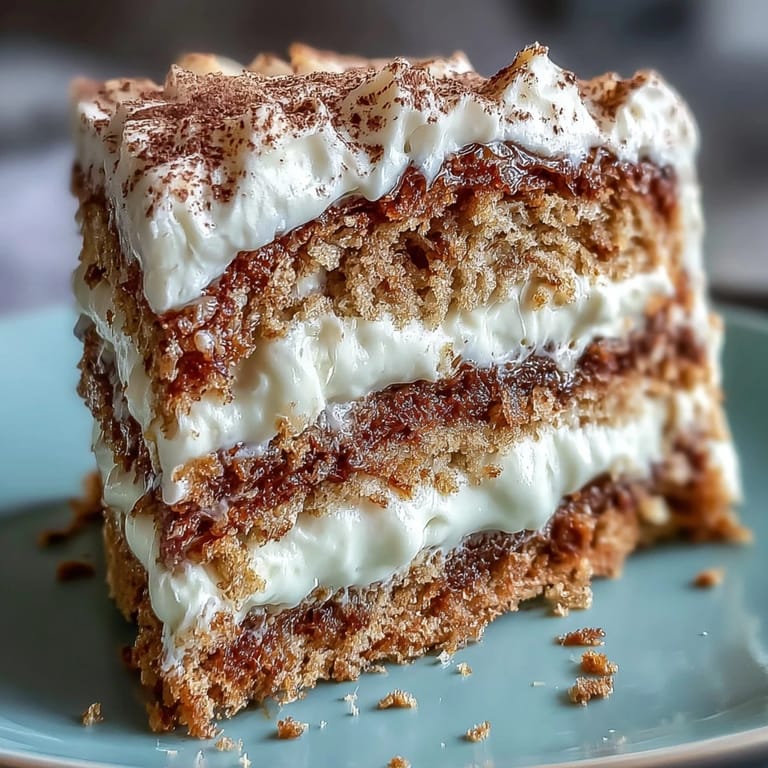
- Sift your hojicha powder and powdered sugar into a chilled bowl, add cold cream and vanilla, then whip to medium-stiff peaks. If you whip past this point, you're making hojicha butter, which is delicious but not what we're after.
- Layer and chill:
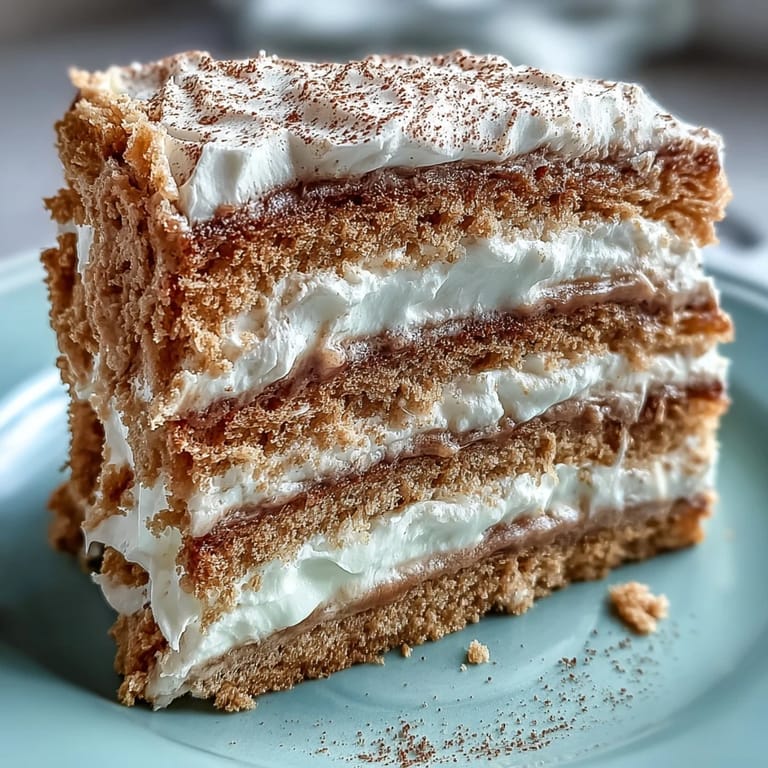
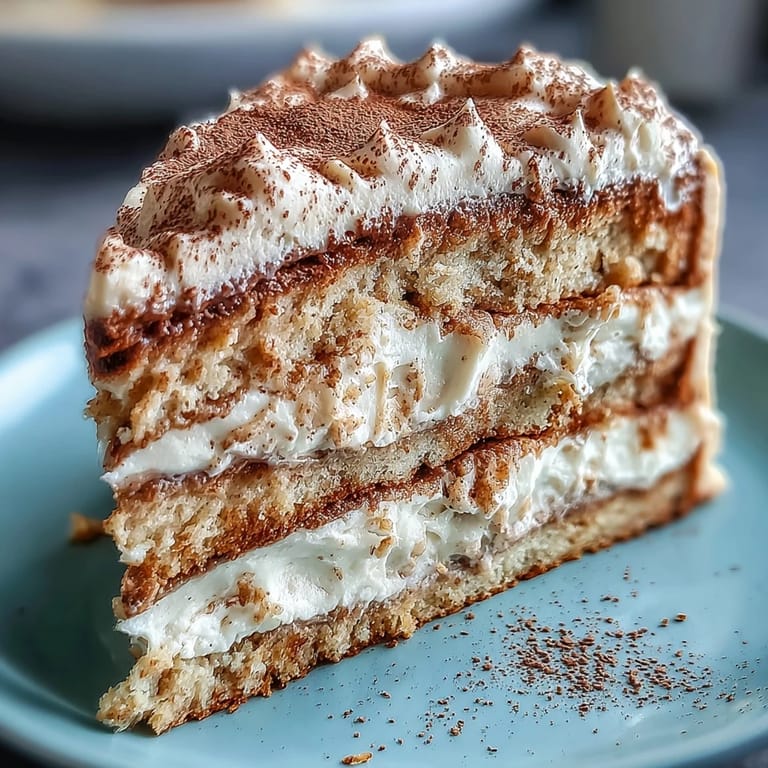
- Once the cake is completely cool, slice it horizontally into two or three layers, spread hojicha cream between each, and crown the top. A dusting of extra hojicha powder makes it look intentional. Chill for at least 30 minutes so the cream sets and your slices stay clean.
 Save
Save The first time someone asked me to make this for a small dinner party, I realized this cake had become more than a recipe to me—it was a way of saying I care enough to spend two hours on something quiet and delicate. That's what hojicha does; it makes you slow down and pay attention.
Why the Genoise Method Works
A genoise relies on whipped eggs rather than chemical leaveners, which means the structure comes from air and technique, not baking powder. This is why warming the eggs matters so much—they whip faster and hold more air, and why every fold counts. The trade-off is that genoise can't sit around waiting; it wants to be baked while still fluffy, which is why timing is everything.
Hojicha's Secret Life in Baking
Hojicha is green tea that's been roasted until it turns brown and smoky, and that roasting process changes everything about how it behaves in baking. Unlike matcha, which can taste grassy and bitter if you're not careful, hojicha brings warmth and depth without needing much sugar to taste good. It also plays beautifully with dairy; the fat in cream softens its edges and makes it taste almost creamy, which is why hojicha lattes became popular in the first place. I've learned to respect hojicha powder as its own ingredient, not as a substitute for anything else.
Customizing Your Cake
Once you've made this cake once, you'll start seeing variations everywhere. Some people brush each layer with a light hojicha tea or simple syrup before frosting to add moisture, which is especially nice if your kitchen is dry or you prefer a softer crumb. You can also adjust the height by baking in a shallower pan or splitting into three thinner layers instead of two. A final dusting of extra hojicha powder looks stunning, though chocolate shavings or lightly roasted nuts add a nice textural surprise if you want to play.
- Try brushing cooled cake layers with hojicha tea (just brewed and cooled) to add moisture and deepen flavor.
- A small pinch of matcha powder mixed into the whipped cream creates a beautiful two-tone effect and more complex tea flavor.
- If you can't find hojicha powder, you can steep hojicha tea bags in heavy cream overnight, strain it, and whip it as your base—it won't be quite as potent but it works.
 Save
Save This cake teaches you that delicate doesn't mean complicated, and that sometimes the most memorable flavors are the quiet ones. Make it when you want to feel thoughtful.
Recipe FAQs
- → What makes hojicha unique?
Hojicha is roasted Japanese green tea with a deep, smoky flavor and lower caffeine content. The roasting process creates warm, caramel-like notes that pair beautifully with vanilla and cream, making it ideal for baking.
- → Why is genoise sponge used?
Genoise creates an exceptionally light, airy texture that complements the fragrant hojicha flavor without overwhelming it. The whipped-egg method produces a tender crumb perfect for layering with cream.
- → How should I store the cake?
Refrigerate in an airtight container for up to 3 days. The cream filling requires chilled storage, but bring slices to room temperature for 15 minutes before serving to appreciate the full texture and flavor.
- → Can I use matcha instead?
While you can substitute matcha, the flavor profile will shift dramatically from smoky and roasted to grassy and vegetal. Hojicha's caramel notes specifically enhance the cream filling in this formulation.
- → What if I can't find hojicha powder?
Look in Asian markets, specialty tea shops, or online retailers. In a pinch, grind loose hojicha leaves very finely, though the texture may be slightly grainier than commercial powder.
- → Why not grease the pan sides?
Un-greased sides allow the batter to climb and rise properly, creating height and structure. Greasing would cause the genoise to slip downward while baking, resulting in a denser, flatter sponge.