 Save
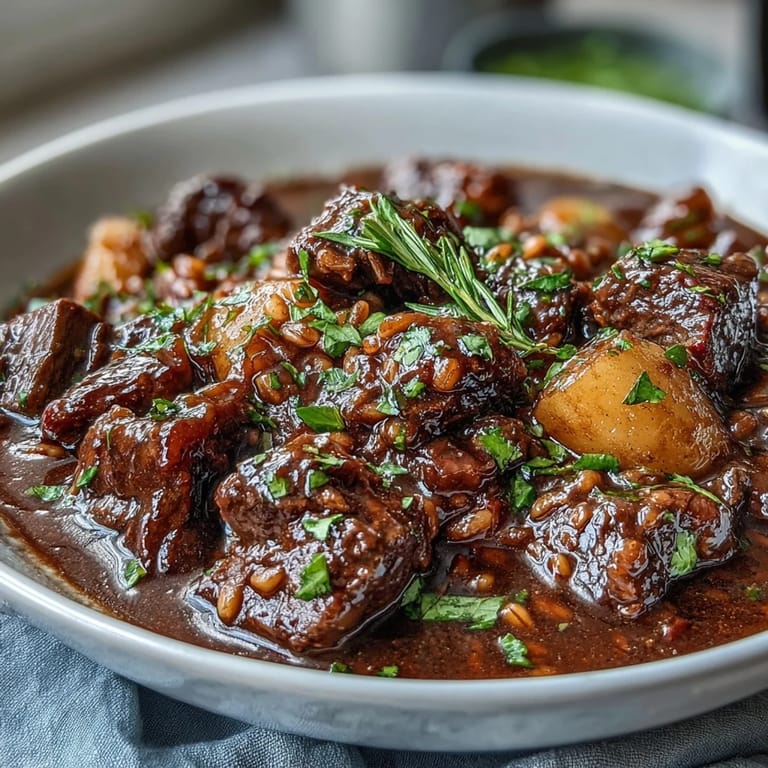
Save There's something about the smell of Guinness reducing in a pot that makes a kitchen feel instantly warmer, even on the coldest afternoons. I discovered this stew by accident one November when I grabbed a bottle of stout from the fridge instead of my usual beef broth, thinking I could stretch what I had on hand. The result was so unexpectedly rich and complex that I've made it dozens of times since, each batch a little different depending on what root vegetables I find at the market. It's become the kind of dish I make when I want to slow down, fill the house with good smells, and know that dinner will be genuinely memorable.
I made this for my cousin during a surprise visit one rainy Sunday, and he stayed an extra hour just sitting at the kitchen table talking while it simmered. By the time we sat down to eat, the whole house smelled like thyme and caramelized beef, and somehow the conversation felt as nourishing as the stew itself. That's when I realized this recipe is as much about creating moments as it is about cooking dinner.
Ingredients
- Beef chuck: This cut has enough marbling to stay tender during the long simmer, and it's forgiving if your timing isn't perfect.
- Olive oil: Just enough to get that proper sear on the meat without making the finished stew greasy.
- Yellow onion: The foundation of everything that comes next, and dicing it small means it nearly melts into the broth.
- Garlic: Add it after the onions have softened so it doesn't burn and turn bitter on you.
- Carrots, parsnips, and celery: This trio creates a flavor base that feels almost French, grounding the Guinness in something familiar and comforting.
- Potatoes and rutabaga: These thicken the stew naturally as they break down, no cornstarch or flour needed.
- Tomato paste: A tablespoon is just enough to add umami and subtle sweetness without making it taste tomatoey.
- Pearl barley: Rinse it first to remove excess starch, and it'll stay tender without becoming mushy or gummy.
- Guinness stout: The dark malts add richness you can't replicate any other way, though a porter or other stout works beautifully too.
- Beef broth: Use the best quality you can afford since it forms the backbone of your broth, and homemade is worth the effort if you have time.
- Thyme and rosemary: Dried herbs work perfectly here since they have hours to infuse their flavor, but fresh is fine too if you add them later.
- Bay leaves and Worcestershire: These are the background singers that make the whole song sound better without anyone quite knowing why.
Tired of Takeout? 🥡
Get 10 meals you can make faster than delivery arrives. Seriously.
One email. No spam. Unsubscribe anytime.
Instructions
- Get your pot ready and heat the oil:
- Use a Dutch oven or any heavy pot that can go from stovetop to gentle simmer without fussing. Medium-high heat, and you'll know the oil is ready when it shimmers and moves easily across the bottom.
- Brown the beef properly:
- This step takes patience, but it's worth it—don't crowd the pan or the meat will steam instead of sear. Work in batches, giving each piece a chance to develop that golden crust that makes the whole stew taste deeper and more savory.
- Build your flavor base:
- Once the beef is out, the onion goes in and cooks down until it's soft and turning golden at the edges. Add the garlic for just a moment until it's fragrant, then the harder vegetables—carrots, parsnips, celery, potatoes, rutabaga—all getting a quick sauté together.
- Stir in the tomato paste:
- Let it cook for a minute so it loses that raw edge and melds into the oil and vegetables. You'll notice the kitchen smells even better now, almost nutty and deep.
- Bring everything back together:
- Return the beef to the pot, then pour in the barley, Guinness, broth, water, and all your seasonings. Stir gently so everything mixes without breaking up those soft vegetables.
- Bring to a boil then settle it down:
- Let it bubble for a moment—you'll see the foam rise—then lower the heat, cover it, and let it simmer quietly for an hour and a half to two hours. Stir every so often just to keep things moving evenly.
- Fish out the bay leaves and taste:
- Before serving, fish around for those bay leaves so no one bites into one. Taste and adjust salt and pepper, knowing that the stew might taste a little less seasoned when it's hot than when it cools, so go easy.
- Serve and savor:
- Ladle it into bowls and scatter fresh parsley on top if you have it. Crusty bread is your best friend here for soaking up every last drop.
 Save
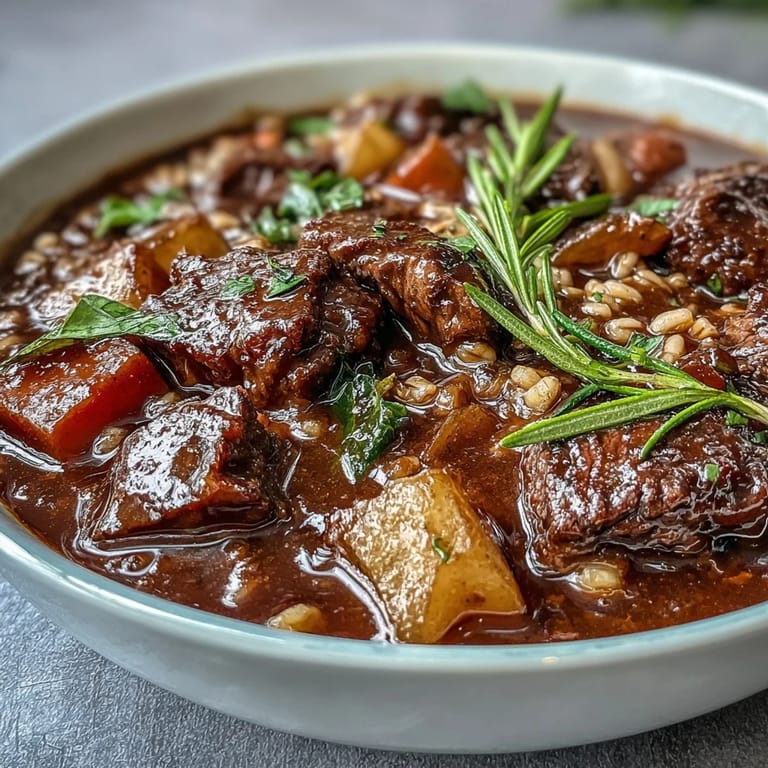
Save There was a moment last winter when I served this to friends who were going through a rough time, and watching them relax as they ate felt like the stew was doing its job in ways that had nothing to do with temperature or seasoning. That's when I understood why comfort food has that name—it genuinely comforts, and this particular stew seems to do it better than most.
Why This Stew Works
The magic lives in how all the elements support each other without competing. The beef chuck becomes impossibly tender, the barley adds a subtle nutty texture that keeps things interesting, and all those root vegetables contribute different notes—the carrot's sweetness, the parsnip's earthiness, the potato's creaminess. But it's really the Guinness that ties it all together, adding complexity and a whisper of cocoa-like depth that makes people wonder what makes this stew taste like a memory they didn't know they had.
A Note on Substitutions
You can absolutely make this without the Guinness if you prefer—just use an extra cup of beef broth and maybe a splash of Worcestershire to get some of that umami back. Sweet potato works beautifully alongside or instead of regular potato if you like a touch of sweetness, and celeriac adds an almost nutty, sophisticated flavor if you can find it. If barley isn't your thing, pearl barley is the most forgiving for stews, though you could use farro or even brown rice if you adjust the cooking time slightly.
Timing and Storage Tips
This stew is actually the opposite of stressful to time—it simmers away while you do other things, filling your home with warmth. It stores beautifully in the refrigerator for four or five days, and freezes even better, so making a double batch isn't just practical, it's smart.
- Let it cool completely before refrigerating so the container doesn't crack from the temperature change.
- Reheat it gently on the stove rather than the microwave so the flavors meld rather than separate.
- If it thickens too much in storage, just add a splash of broth or water when you warm it up.
 Save
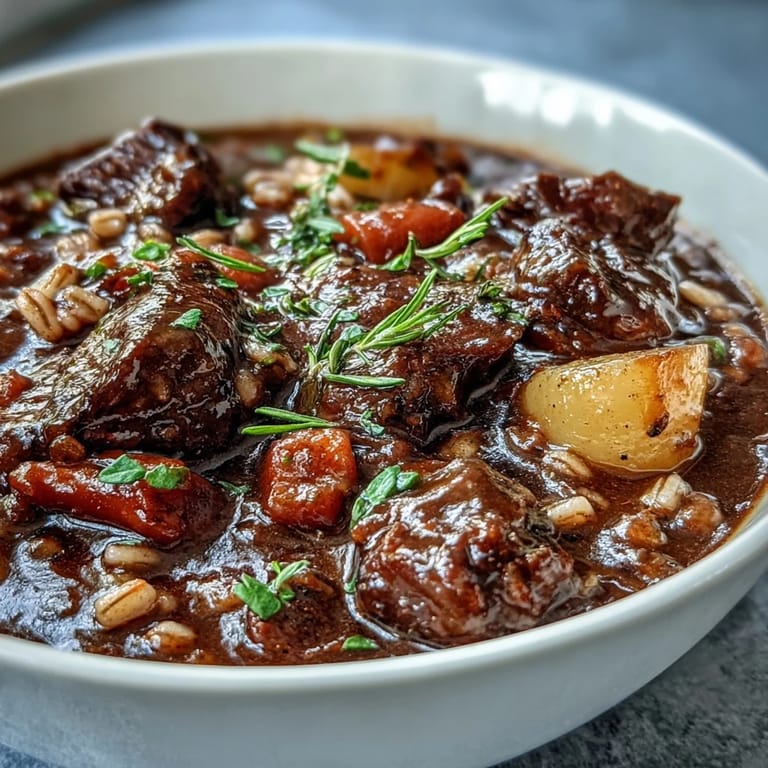
Save This stew has become my answer to the question 'what do you cook when you want to feel like home,' and I hope it becomes yours too. There's something profoundly satisfying about carrying a bowl of it from pot to table, knowing that every spoonful is warm and honest and exactly what someone needs.
Recipe FAQs
- → Can I substitute Guinness stout with another liquid?
Yes, you can replace Guinness with another stout or extra beef broth if you prefer to avoid alcohol.
- → What cooking vessel works best for this stew?
A large Dutch oven or heavy-bottomed pot is ideal to ensure even heat distribution during simmering.
- → How do I achieve a thicker stew consistency?
Mash some of the cooked potatoes and root vegetables against the pot's side before serving to naturally thicken the stew.
- → Can I add other vegetables to this dish?
Yes, root vegetables like sweet potato or celeriac can be added to vary flavors and textures.
- → Is this dish suitable for leftovers?
The flavors deepen when reheated, making it even more delicious the next day.
- → What herbs enhance the flavor of this stew?
Dried thyme, rosemary, and bay leaves provide aromatic depth and complement the rich beef and barley.