 Save
Save There's something about the way hojicha smells when it first hits hot cream—that toasted, almost caramel-like fragrance that fills your kitchen and makes you pause mid-breath. I discovered this dessert by accident, honestly, when a friend brought back fancy tea from Japan and I had no idea what to do with it besides the obvious cup of tea. A panna cotta seemed impossible until I realized the delicate, roasted notes of hojicha could sing in something creamy and elegant, turning a simple custard into something that tastes like a quiet moment of luxury.
I made this for my mom's birthday dinner last spring, unmolding each panna cotta onto a small white plate and watching her face when that first spoonful hit her tongue. She actually closed her eyes, which doesn't happen often, and said it tasted like something between a dream and actual flavor. That moment taught me that the best desserts are the ones that make people slow down, even if just for a minute.
Ingredients
- Heavy cream (1 1/2 cups): This is your base, your silkiness, your reason this will feel luxurious on the tongue—don't skimp on quality here.
- Whole milk (1/2 cup): Balances the richness so it doesn't feel overwhelmingly heavy, letting the hojicha flavor actually breathe.
- Granulated sugar (1/4 cup): Sweetens without overwhelming, though taste your steeped tea first because some hojicha already has subtle sweetness built in.
- Hojicha loose leaf tea (2 tablespoons): Loose leaf is worth the extra step because you get bigger, more flavorful pieces—tea bags work but feel just a bit muted in comparison.
- Powdered gelatin (2 teaspoons): The unsung hero that transforms liquid into something you can actually spoon into your mouth; bloom it properly or it'll stay grainy and weird.
- Cold water (2 tablespoons): For blooming the gelatin—this step matters more than you'd think.
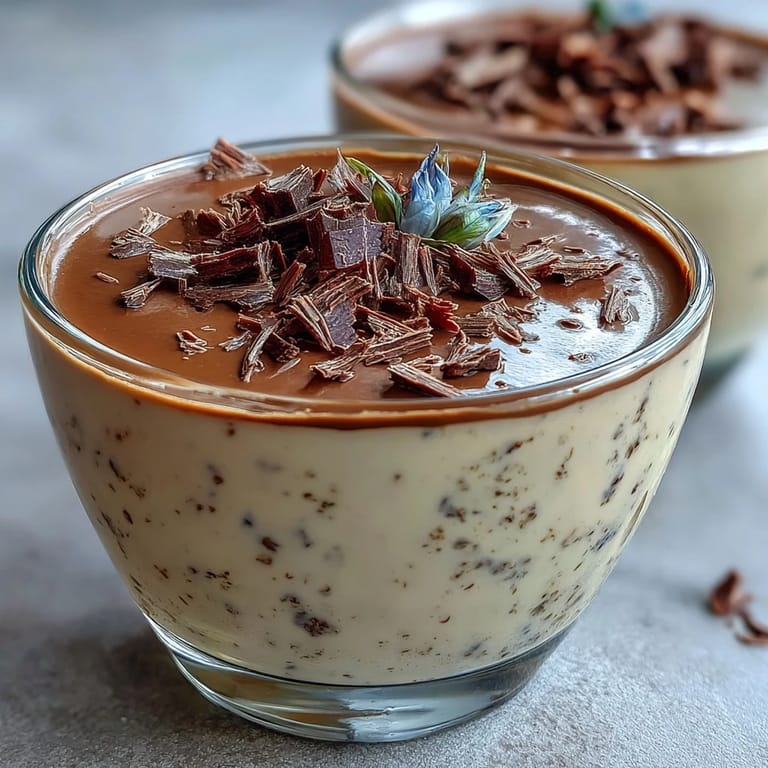
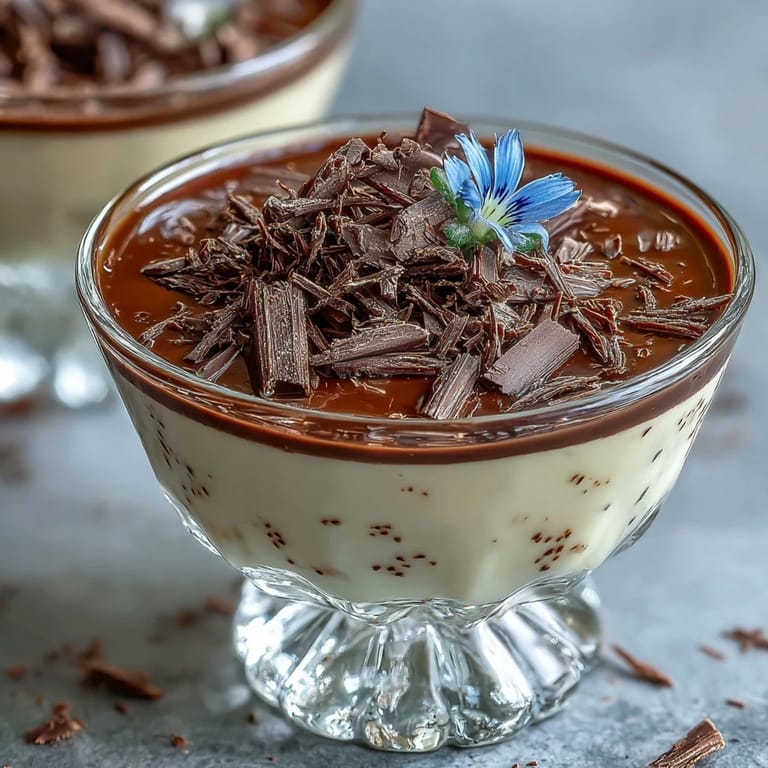
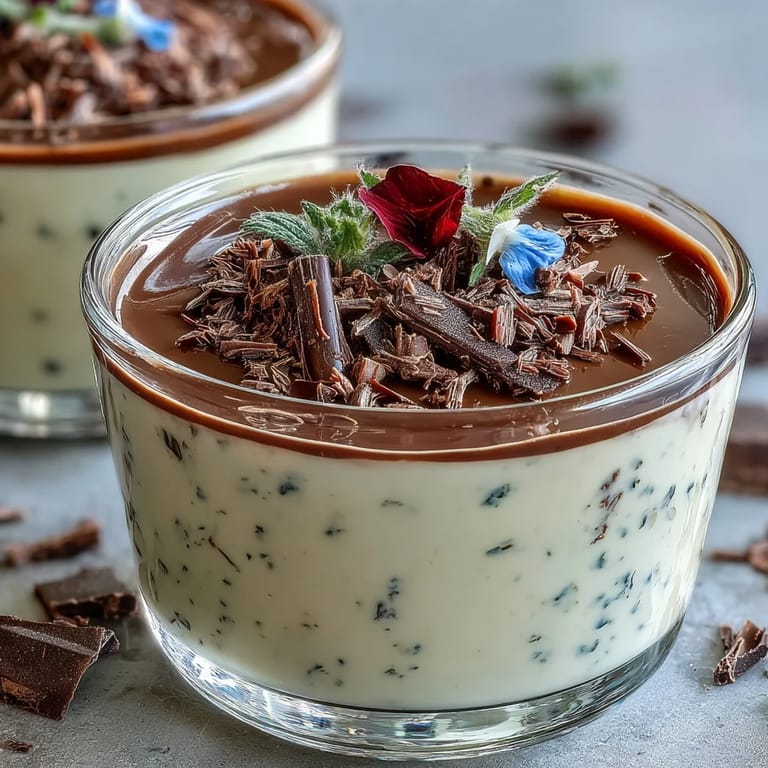
- Whipped cream, shaved chocolate, roasted nuts (optional): Garnishes that turn a simple custard into something people photograph before eating.
Tired of Takeout? 🥡
Get 10 meals you can make faster than delivery arrives. Seriously.
One email. No spam. Unsubscribe anytime.
Instructions
- Bloom your gelatin:
- Sprinkle the gelatin over cold water in a small bowl and let it sit for exactly 5 minutes—you'll see it absorb the water and turn spongy, which is exactly what you want. This step prevents lumps later, which is worth every second of patience.
- Heat the cream base:
- Combine heavy cream, whole milk, and sugar in a saucepan and warm it gently over medium-low heat until you see steam rising but no bubbles forming. You're looking for that moment right before a simmer, not an actual boil.
- Steep the hojicha:
- Remove from heat, add your hojicha tea, and let it sit for 7 to 8 minutes—the longer you wait, the deeper the roasted flavor becomes. Resist the urge to rush this; good things actually do take a few minutes.
- Strain with intention:
- Pour everything through a fine-mesh sieve into a clean bowl, using the back of a spoon to gently press the tea leaves and coax out every drop of flavor. This is where you separate the silky panna cotta from the grainy disappointment.
- Reheat and dissolve:
- Return the strained mixture to the saucepan and warm it gently again until it's hot to the touch but not bubbling. Add your bloomed gelatin and whisk steadily until you see no granules or lumps—about a minute of actual whisking.
- Pour and cool:
- Divide the mixture evenly among 4 ramekins or serving glasses and let it cool to room temperature at your kitchen counter for about 15 minutes. You don't want to shock it with immediate refrigeration.
- Chill until set:
- Cover with plastic wrap and refrigerate for at least 4 hours, though overnight is even better if you have the patience. The panna cotta will go from soft and uncertain to silky and confident.
- Unmold or serve:
- Run a thin knife around the inside edges of each ramekin and invert onto a small plate with a gentle twist, or skip this step entirely and serve in the glasses with a spoon. Garnish with whatever makes you happy.
 Save
Save The real magic happened when my partner brought home a new hojicha brand and we made this again, and somehow it tasted completely different—softer, more delicate, like the tea was whispering instead of announcing itself. That's when I realized this dessert isn't about following a recipe perfectly; it's about listening to the ingredients and letting them tell you what they need.
Why Hojicha Tastes Different Than Other Teas
Hojicha is green tea that's been roasted at high temperatures, which transforms its whole personality—suddenly it's not grassy or vegetal but warm, toasted, almost like someone took all the brightness out and replaced it with comfort. In a panna cotta, this means you get elegance without harshness, flavor without bitterness, a dessert that feels both light and deeply satisfying. The roasting process actually reduces caffeine too, so you won't be wired if you eat this after dinner.
The Art of Not Overthinking Gelatin
Gelatin gets a bad reputation because people panic about it, but it's honestly just a protein that sets things when cold—bloom it, dissolve it, pour it, wait. The blooming step is non-negotiable because it lets the gelatin hydrate evenly, so when you add it to warm liquid, it dissolves smoothly instead of clumping like something went wrong in your kitchen. Once you've made this once, you'll realize gelatin is actually your friend, doing exactly what you ask with no drama.
Serving and Storage Secrets
These panna cottas actually taste better on day two or three because the flavors settle and deepen, so make them ahead without guilt. Store them covered in the fridge for up to 4 days, and if you're unmolding them onto plates, run your knife under hot water first to make the edges easier to release. For a dinner party, serve them in the ramekins directly because unmolding adds unnecessary stress; let guests see that golden-brown custard and know they're about to have something special.
- A tiny pinch of sea salt in the cream mixture brings out hojicha's roasted notes like magic.
- Pair these with something cold and light—cold-brewed hojicha, a crisp white wine, or even just sparkling water with a splash of yuzu.
- If you want vegan versions, swap heavy cream for coconut cream and use agar-agar instead of gelatin, adding it to the warm mixture at the same rate.
 Save
Save This dessert has become my answer to the question of what to make when someone special is coming over, because it says I tried without screaming I spent all day cooking. It's comfort dressed up as sophistication, which might be the best kind of dessert there is.
Recipe FAQs
- → What does hojicha taste like in panna cotta?
Hojicha imparts distinct roasted, nutty notes with subtle caramel undertones. The earthy flavor balances beautifully with rich cream, creating a sophisticated dessert that's less grassy than matcha but more complex than regular black tea.
- → Can I make this dessert ahead of time?
Absolutely. This sets perfectly when refrigerated 4 hours to overnight. In fact, making it a day ahead allows flavors to develop fully. Cover tightly with plastic wrap and unmold just before serving.
- → What garnishes work best with hojicha panna cotta?
Light garnishes complement the delicate roasted flavor. Try whipped cream, white chocolate shavings, toasted nuts like almonds or hazelnuts, or fresh berries. Edible flowers add elegant visual appeal without overpowering.
- → How do I know when gelatin is fully bloomed?
Sprinkle powdered gelatin over cold water and let sit 5 minutes. The mixture will absorb liquid and become translucent with slightly wrinkled appearance. This ensures smooth dissolution in warm cream.
- → Can I substitute gelatin for vegetarian options?
Yes, replace gelatin with agar-agar using slightly different proportions. Dissolve agar in boiling liquid before adding to cream mixture. Texture will be slightly firmer but still delicious.
- → What beverages pair well with this dessert?
Cold-brewed hojicha tea creates beautiful thematic pairing. Light Japanese white wine, sparkling sake, or even a crisp prosecco complement the creamy texture and roasted notes without overwhelming flavors.