 Save
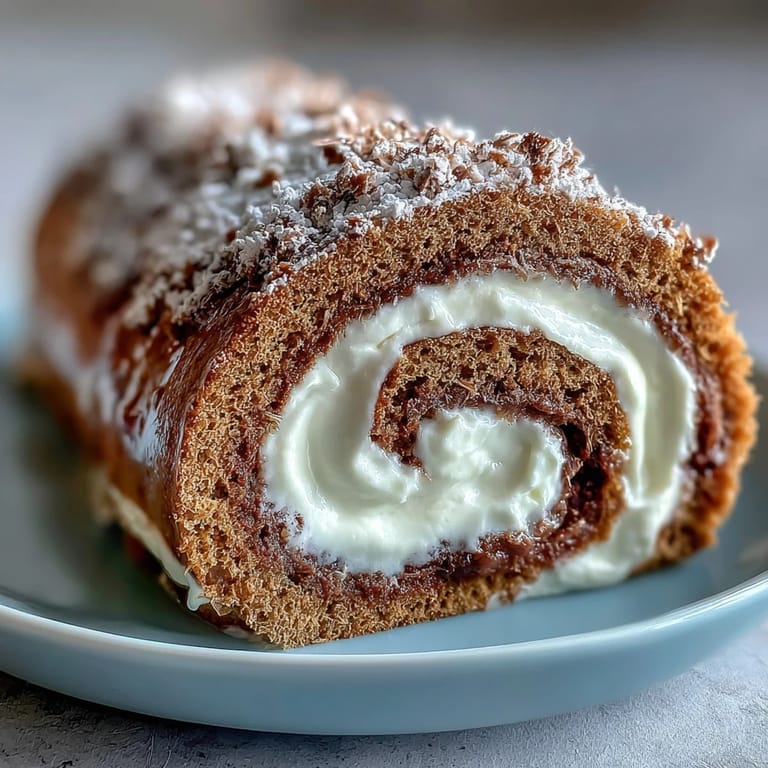
Save This Hojicha Roll Cake is a refined Japanese-inspired dessert that brings together the deep, earthy notes of roasted green tea with the bright sweetness of fresh tropical fruit. The light, airy sponge and tea-infused cream create a balanced treat that is as beautiful to look at as it is to eat.
Save Perfect for tea time or a special celebration, this roll cake captures the essence of Japanese confectionery with its focus on delicate textures and natural flavors.
Ingredients
Tired of Takeout? 🥡
Get 10 meals you can make faster than delivery arrives. Seriously.
One email. No spam. Unsubscribe anytime.
- Sponge Cake: 4 large eggs (separated), 80 g granulated sugar (divided), 60 ml whole milk, 50 ml vegetable oil, 70 g cake flour (sifted), 10 g cornstarch, 1 tbsp hojicha powder, 1/4 tsp salt
- Hojicha Cream: 200 ml heavy cream (minimum 35% fat, chilled), 2 tbsp powdered sugar, 2 tsp hojicha powder
- Filling: 1 ripe mango, peeled and sliced into thin strips
Instructions
- Step 1
- Preheat the oven to 170°C (340°F). Line a 23 x 33 cm (9 x 13 in) baking tray with parchment paper.
- Step 2
- In a large bowl, whisk egg yolks with 40 g sugar until pale and creamy. Add milk and vegetable oil, mixing until smooth.
- Step 3
- Sift together cake flour, cornstarch, hojicha powder, and salt. Fold this into the yolk mixture until just combined.
- Step 4
- In a clean bowl, beat egg whites until foamy. Gradually add the remaining 40 g sugar and beat until stiff peaks form.
- Step 5
- Gently fold the meringue into the yolk-flour mixture in three additions, being careful not to deflate the batter.
- Step 6
- Pour the batter into the prepared tray and smooth the surface. Tap the tray gently to remove air bubbles.
- Step 7
- Bake for 13–15 minutes or until the cake springs back when lightly pressed.
- Step 8
- While still warm, invert the cake onto a fresh sheet of parchment. Carefully peel off the baking paper and cover loosely with a clean kitchen towel; let cool completely.
- Step 9
- Whip the chilled heavy cream, powdered sugar, and hojicha powder to medium-stiff peaks.
- Step 10
- Spread the hojicha cream evenly over the cooled sponge. Arrange mango strips along one short edge.
- Step 11
- Roll the cake tightly from the mango-lined edge using the parchment. Wrap and chill for at least 30 minutes to set.
- Step 12
- Trim the ends for a neat finish and slice to serve.
Zusatztipps für die Zubereitung
To ensure a smooth sponge without large holes, remember to tap the baking tray gently before putting it in the oven. For a richer, more stable filling, you can substitute a portion of the heavy cream with mascarpone cheese.
Varianten und Anpassungen
While mango adds a vibrant tropical twist, you can easily customize the filling. Omit the mango for a pure tea experience, or substitute it with sliced strawberries or peaches for a different seasonal flavor.
Serviervorschläge
Before serving, give the cake a final touch of elegance with a light dusting of hojicha powder or powdered sugar. This enhances the aroma and makes each slice look professionally finished.
 Save
Save Enjoy this elegant Hojicha Roll Cake as a light yet flavorful conclusion to any meal, perfectly capturing the delicate balance of Japanese dessert craftsmanship.
Recipe FAQs
- → What makes hojicha different from regular green tea?
Hojicha is roasted green tea leaves that produce a warm, nutty flavor with lower caffeine content compared to regular green tea. The roasting process gives it a reddish-brown color and distinct toasty notes that pair beautifully with creamy desserts.
- → Can I make this roll cake ahead of time?
Yes, you can prepare the sponge cake and cream filling separately up to 24 hours in advance. Store the cooled sponge wrapped in plastic at room temperature and keep the cream refrigerated. Assemble and roll the cake just before serving for the best texture.
- → Why did my sponge cake crack when rolling?
Cracking usually happens when the cake is too cold or overbaked. Roll the cake while it's still slightly warm, and be gentle when spreading the cream. If cracks occur, they can be hidden by dusting with hojicha powder or powdered sugar.
- → Can I substitute the mango filling?
Absolutely. Fresh strawberries, peaches, or even thinly sliced apples work well. For a simpler version, you can skip the fruit entirely and enjoy the pure hojicha cream flavor. Some variations also include red bean paste for a traditional Japanese twist.
- → How do I store leftover hojicha roll cake?
Wrap the assembled roll cake tightly in plastic wrap and refrigerate for up to 2 days. The sponge may become slightly denser over time but remains delicious. For longer storage, slice individual portions and freeze them in an airtight container for up to 1 month.