 Save
Save The first time I made satay sauce, I was standing in a humid kitchen on a Friday night, trying to recreate the complex flavors from a street vendor I'd visited years ago in Jakarta. I had no recipe, just a memory of that golden-brown sauce clinging to charred chicken skewers and the way a squeeze of lime made everything come alive. What surprised me most was how quickly it all came together—just a few pantry staples melting into something that tasted like it had been simmering for hours.
I'll never forget serving this sauce at a backyard gathering last summer when my friend brought homemade satay skewers. The moment people tasted it, the conversation stopped—everyone just kept dipping and reaching for more. That's when I realized this wasn't just a condiment; it was the thing that made the whole meal memorable.
Ingredients
- Creamy peanut butter: Use unsweetened and unsalted so you control the salt and sweetness; I learned the hard way that sweetened versions make the sauce cloyingly rich.
- Coconut milk: Full-fat is essential—it gives the sauce that luxurious body and prevents it from tasting thin or watery.
- Soy sauce: This adds the savory backbone; tamari works beautifully if you need gluten-free.
- Fresh lime juice: Squeeze it yourself if you can; bottled juice loses that bright, grassy note that makes people ask what the secret ingredient is.
- Brown sugar: Or palm sugar if you want to stay traditional; it softens the heat and balances the salt.
- Garlic clove: Just one, minced fine, so it dissolves into the sauce rather than floating around as visible bits.
- Ground coriander and cumin: These warm spices are what make it taste authentically Southeast Asian and not just peanut-forward.
- Chili flakes: Start with less than you think you'll need; you can always add more at the end once you've tasted it.
- Fish sauce: Optional but it deepens the savory notes in a way that's hard to describe until you taste it.
Tired of Takeout? 🥡
Get 10 meals you can make faster than delivery arrives. Seriously.
One email. No spam. Unsubscribe anytime.
Instructions
- Combine the base:
- In a small saucepan over medium heat, whisk the peanut butter and coconut milk together until they're completely smooth with no streaks. This takes a minute or two and sets you up for success.
- Build the layers:
- Add the soy sauce, lime juice, brown sugar, minced garlic, coriander, cumin, chili flakes, and salt all at once. Stir constantly so everything dissolves evenly and the spices don't settle at the bottom.
- Simmer until glossy:
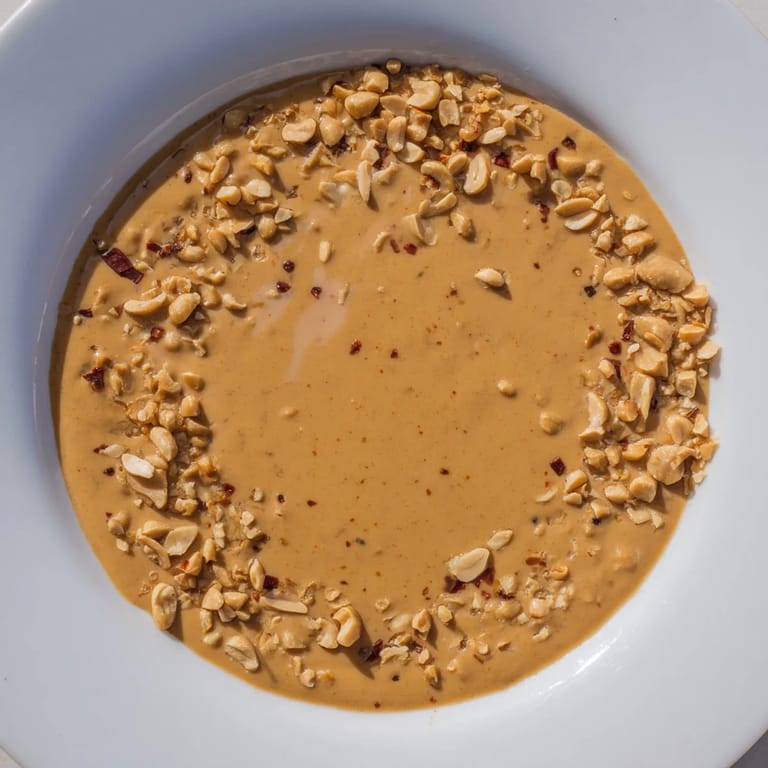
- Let it bubble gently for 3 to 5 minutes, stirring often to prevent sticking and to watch for the moment when it transforms from loose to silky. You'll smell the spices starting to bloom—that's when you know it's working.
- Taste and adjust:
- This is where the sauce becomes yours; add more lime if it needs brightness, more sugar if the heat is overwhelming, or more chili flakes if you want to lean spicy. Trust your palate.
- Thin if needed:
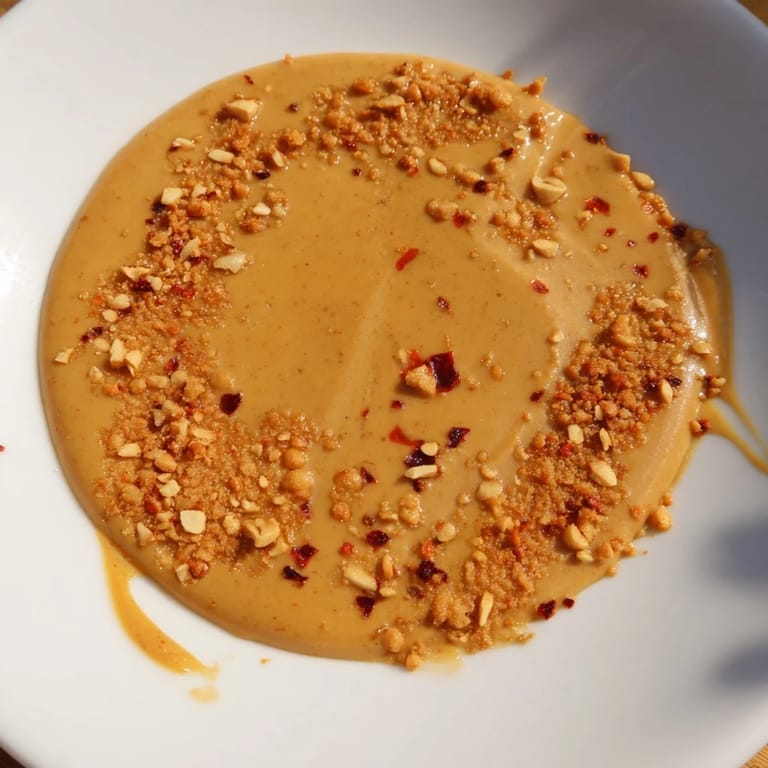
- Whisk in water a tablespoon at a time until the consistency is right for how you're serving it—slightly thicker for dipping, thinner for drizzling.
- Finish strong:
- Remove from heat and stir in fish sauce if you're using it. Let the sauce cool for just a few minutes before serving so the flavors settle.
 Save
Save I made this sauce once for my sister's dinner party, and she asked me for the recipe before dessert was even served. But the real moment came later when she texted a photo of her using it as a salad dressing and asked if that was weird—it absolutely wasn't, and that's when I understood how versatile this sauce actually is.
The Secret to Restaurant-Quality Depth
What separates a good satay sauce from a great one is patience with the spices. Most people rush through the simmering step, but those few minutes on the heat let the coriander and cumin fully wake up and marry with the peanut and coconut. The aroma that fills your kitchen is a sign that the flavor is developing—that's not a byproduct, that's the actual magic happening in the pot.
Customizing Your Sauce
Every time I make this, I adjust it based on what I'm serving it with or what I'm craving that day. Sometimes I add a tiny pinch of ground ginger for warmth, other times a tablespoon of smooth almond butter alongside the peanut butter for a different texture. The foundation is strong enough to hold whatever direction you want to take it.
Beyond the Skewers
This sauce has become my answer to a lot of cooking problems—when I need to make simple ingredients unforgettable or when I want to elevate leftovers into something that feels intentional. I've stirred it into grain bowls, drizzled it over roasted Brussels sprouts, and even mixed it into mayo for sandwiches. Once you have a batch in the fridge, your kitchen suddenly has new possibilities.
- Thin it slightly and toss it with warm rice noodles and fresh herbs for a quick lunch.
- Swirl it into plain yogurt to make a dip for raw vegetables that actually tastes exciting.
- Keep it on hand for at least five days in the fridge, and it only gets better as the flavors settle and deepen.
 Save
Save This sauce has a way of making people feel cared for, whether you're serving it at a casual dinner or bringing it to a potluck. Once you make it once, you'll understand why.
Recipe FAQs
- → What gives the sauce its creamy texture?
The creamy texture comes primarily from smooth peanut butter and full-fat coconut milk, which blend together when heated gently.
- → Can the sauce be made gluten-free?
Yes, using gluten-free soy sauce alternatives like tamari or coconut aminos ensures the sauce remains gluten-free.
- → How can I adjust the heat level in the sauce?
The chili flakes can be increased or decreased according to taste to make the sauce spicier or milder.
- → Is it possible to prepare this sauce in advance?
Yes, the sauce can be refrigerated for up to 5 days and gently reheated before serving to maintain its flavors and texture.
- → What dishes complement this satay sauce well?
It pairs perfectly with grilled chicken, beef skewers, tofu, vegetables, or can be used as a flavorful salad dressing base.
- → How do I achieve a chunkier sauce texture?
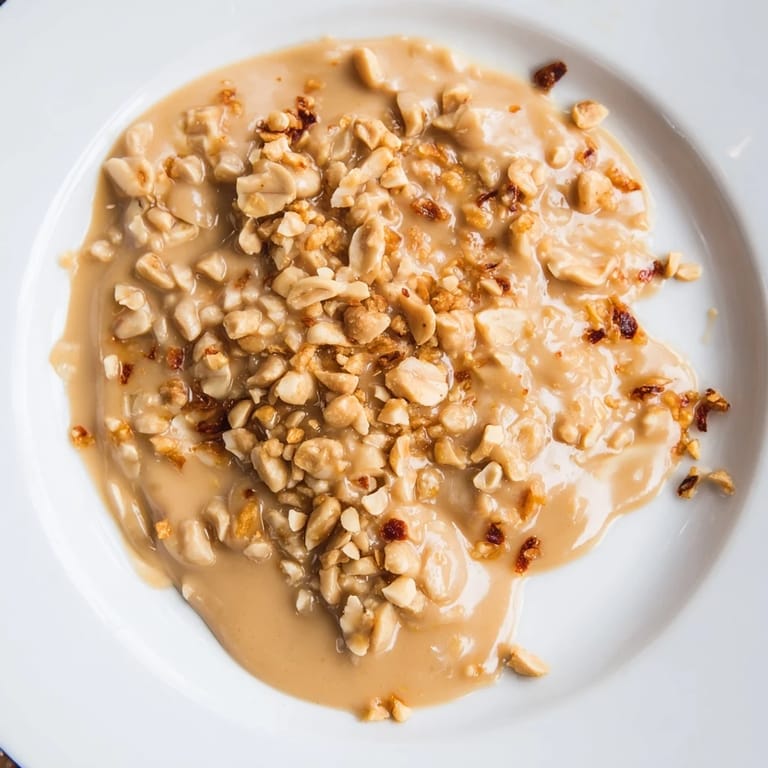
Add 2 tablespoons of crushed roasted peanuts at the end for added crunch and texture.