Japanese Nikujaga Beef Potatoes

Featured in: Everyday Home Meals

Nikujaga is a comforting Japanese dish featuring thinly sliced beef braised alongside waxy potatoes, onions, and carrots in a rich, glossy sauce made from soy, mirin, sake, and sugar. The ingredients simmer gently until tender, allowing the flavors to meld deeply. Optional additions like shirataki noodles and crisp green peas add texture. This home-style dish balances sweet and savory notes, perfect for a cozy meal that pairs well with steamed rice and a chilled beverage.

Updated on Sun, 15 Feb 2026 09:44:19 GMT
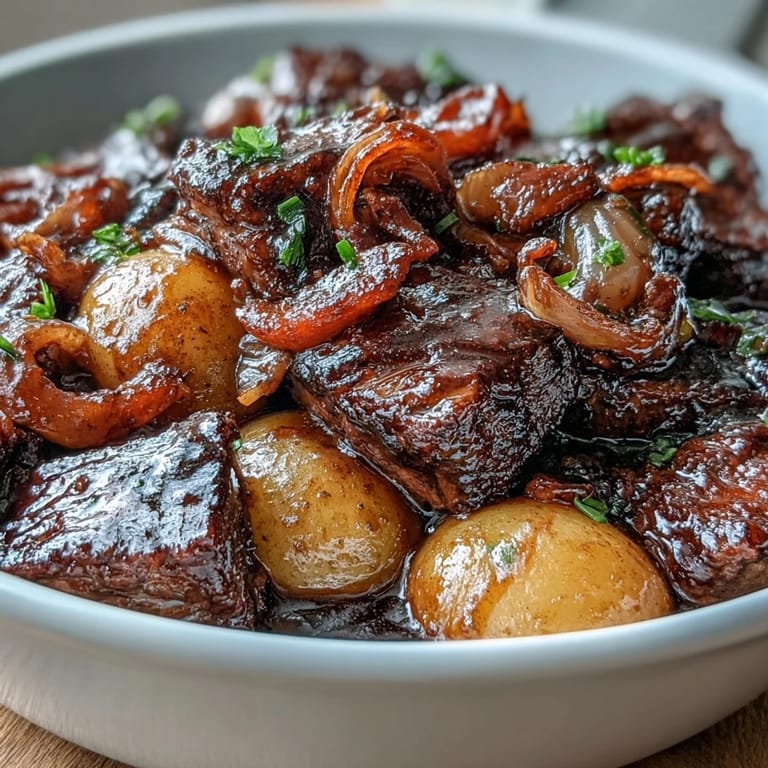
A hearty Japanese Nikujaga stew with tender beef, potatoes, and onions in a sweet-savory soy broth, served steaming hot.  Save
A hearty Japanese Nikujaga stew with tender beef, potatoes, and onions in a sweet-savory soy broth, served steaming hot. | zestykhubz.com

Japanese Nikujaga is the ultimate soul food—a comforting, home-style stew that brings a sense of warmth to any table. This classic dish features tender slices of beef, waxy potatoes, and sweet onions braised in a delicate dashi and soy-based sauce. The ingredients are simmered together until they are glossy, rich, and infused with a perfect balance of savory and sweet flavors, making it a beloved staple for a cozy dinner.

A hearty Japanese Nikujaga stew with tender beef, potatoes, and onions in a sweet-savory soy broth, served steaming hot.  Save
A hearty Japanese Nikujaga stew with tender beef, potatoes, and onions in a sweet-savory soy broth, served steaming hot. | zestykhubz.com

What's for Dinner Tonight? 🤔

Stop stressing. Get 10 fast recipes that actually work on busy nights.

Free. No spam. Just easy meals.

Known as the Japanese version of beef stew, Nikujaga translates literally to 'meat and potatoes.' It relies on the natural sweetness of the onions and carrots, enhanced by mirin and sugar, to create a deep flavor profile. The use of waxy potatoes is essential here, as they hold their shape during the simmering process, absorbing the rich broth without falling apart.

Ingredients

Tired of Takeout? 🥡

Get 10 meals you can make faster than delivery arrives. Seriously.

One email. No spam. Unsubscribe anytime.

  • Meat & Vegetables
  • 300 g thinly sliced beef (such as chuck or ribeye)
  • 600 g waxy potatoes, peeled and cut into large chunks
  • 2 medium onions, sliced
  • 1 large carrot, peeled and sliced into thick rounds
  • 100 g shirataki noodles (optional, rinsed and drained)
  • 100 g snow peas or green beans, trimmed (optional)
  • Sauce
  • 400 ml dashi stock (or water with 1 tsp instant dashi powder)
  • 4 tbsp soy sauce
  • 3 tbsp mirin
  • 2 tbsp sake
  • 2 tbsp sugar
  • Oil
  • 1 tbsp neutral oil (e.g., canola or vegetable oil)

Instructions

Step 1
Heat the oil in a large saucepan or deep skillet over medium heat.
Step 2
Add the sliced onions and sauté for 2-3 minutes until just softened.
Step 3
Add the beef and cook until lightly browned, stirring often.
Step 4
Add the potatoes and carrots, mixing to combine.
Step 5
Pour in the dashi stock, then add soy sauce, mirin, sake, and sugar. Stir well.
Step 6
Bring to a gentle boil. Skim off any foam or impurities that rise to the surface.
Step 7
Reduce heat to low, cover with a lid slightly ajar, and simmer for 20-25 minutes until the potatoes are tender and the flavors have melded.
Step 8
If using shirataki noodles, add them about 10 minutes before the end of cooking.
Step 9
For a glossy finish, remove the lid for the final 5 minutes and let the sauce reduce slightly.
Step 10
Add snow peas or green beans in the last 2-3 minutes so they stay bright and crisp.
Step 11
Serve hot with steamed white rice.

Zusatztipps für die Zubereitung

To ensure the best texture, use a sharp knife and cutting board to cut the vegetables into uniform sizes. Skimming the foam during the boiling stage is a crucial step for a clear, clean-tasting broth. For those with sensitivities, be aware that shirataki noodles are made from konjac yam, and always check labels for soy, wheat, or alcohol allergens.

Still Scrolling? You'll Love This 👇

Our best 20-minute dinners in one free pack — tried and tested by thousands.

Trusted by 10,000+ home cooks.

Varianten und Anpassungen

You can easily adapt this dish to your preference by substituting thinly sliced pork for the beef. For a vegetarian version, use firm tofu and vegetable broth instead of dashi. To make the recipe gluten-free, use tamari or a certified gluten-free soy sauce, as regular soy sauce typically contains wheat.

Serviervorschläge

Nikujaga is traditionally served steaming hot in deep bowls alongside a side of fluffy white rice. To complete the meal, pair it with a refreshing cup of hot green tea or a glass of chilled sake to balance the savory-sweet notes of the stew.
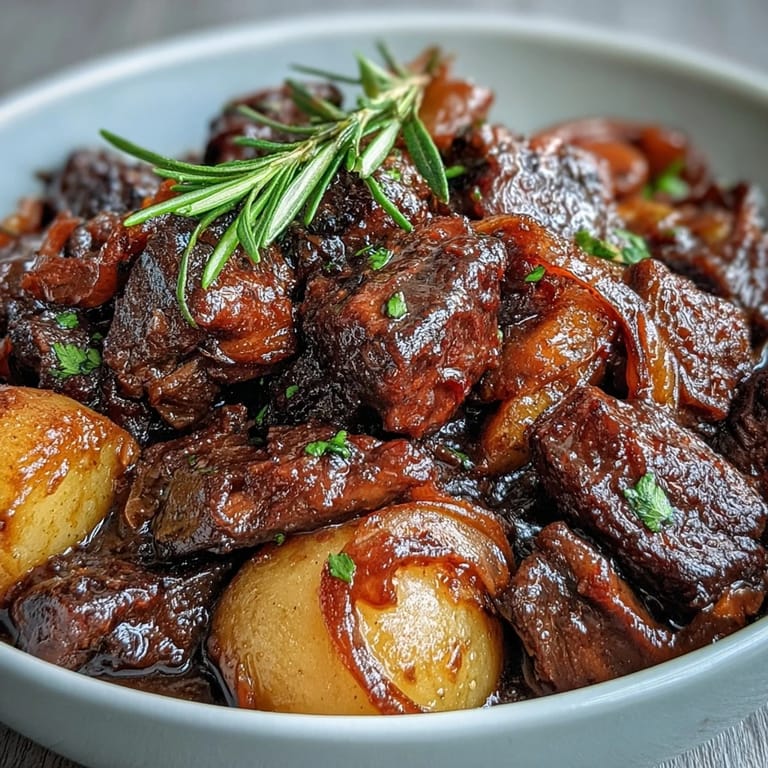
Glistening Nikujaga with glossy potatoes, sliced beef, and carrots simmered in a rich dashi-soy sauce, perfect for a cozy dinner.  Save
Glistening Nikujaga with glossy potatoes, sliced beef, and carrots simmered in a rich dashi-soy sauce, perfect for a cozy dinner. | zestykhubz.com

With its simple preparation and deeply satisfying taste, Nikujaga is the perfect introduction to Japanese home cooking. Whether you follow the traditional recipe or make it your own with variations, it is a dish that promises a nourishing and flavorful experience every time.

Recipe FAQs

What cut of beef is best for Nikujaga?

Thinly sliced chuck or ribeye works well for tender and flavorful results, as they cook quickly and absorb the sauce.

Can I substitute other vegetables?

Carrots, green beans, or snow peas complement the dish nicely and can be added towards the end of cooking for freshness.

How do I achieve the glossy sauce finish?

Remove the lid in the last few minutes of simmering to reduce the sauce slightly, which enhances its glossy appearance.

Is it possible to make a vegetarian version?

Yes, use firm tofu and vegetable broth in place of beef and dashi for a flavorful vegetarian option.

What sides pair well with Nikujaga?

Steamed white rice is traditional and balances the dish, while a chilled sake or green tea complements the flavors beautifully.


20-Minute Dinner Pack — Free Download 📥

10 recipes, 1 shopping list. Everything you need for a week of easy dinners.

Instant access. No signup hassle.

Japanese Nikujaga Beef Potatoes

Tender beef and potatoes braised in a sweet-savory soy sauce for a warming, flavorful dish.

Time to Prep
15 min
Time for Cooking
35 min
Overall Time
50 min
Created by Emma Collins

Recipe Category Everyday Home Meals

Skill Level Easy

Cuisine Type Japanese

Makes 4 Number of Servings

Diet Guidelines No Dairy

What You Need

Meat & Vegetables

01 10.6 oz thinly sliced beef chuck or ribeye
02 21.2 oz waxy potatoes, peeled and cut into large chunks
03 2 medium onions, sliced
04 1 large carrot, peeled and sliced into thick rounds
05 3.5 oz shirataki noodles, rinsed and drained (optional)
06 3.5 oz snow peas or green beans, trimmed (optional)

Sauce

01 1.7 cups dashi stock or water with 1 tsp instant dashi powder
02 4 tbsp soy sauce
03 3 tbsp mirin
04 2 tbsp sake
05 2 tbsp sugar

Oil

01 1 tbsp neutral oil such as canola or vegetable oil

How To Make

Step 01

Heat oil base: Heat neutral oil in a large saucepan or deep skillet over medium heat until shimmering.

Step 02

Soften aromatics: Add sliced onions and sauté for 2 to 3 minutes until just softened, stirring occasionally.

Step 03

Brown beef: Add thinly sliced beef and cook until lightly browned, stirring frequently to ensure even browning.

Step 04

Add root vegetables: Add potatoes and carrots to the pan and mix thoroughly to combine with the beef and onions.

Step 05

Introduce braising liquid: Pour in dashi stock, then add soy sauce, mirin, sake, and sugar. Stir well to dissolve ingredients and distribute evenly.

Step 06

Bring to boil and skim: Bring mixture to a gentle boil over medium-high heat. Skim off any foam or impurities that rise to the surface using a spoon or ladle.

Step 07

Simmer vegetables: Reduce heat to low, cover with a lid slightly ajar, and simmer for 20 to 25 minutes until potatoes are tender and flavors have melded together.

Step 08

Add optional noodles: If using shirataki noodles, add them approximately 10 minutes before the end of cooking time.

Step 09

Reduce sauce to glossy consistency: Remove the lid for the final 5 minutes of cooking and allow the sauce to reduce slightly for a glossy, rich finish.

Step 10

Finish with greens: Add snow peas or green beans in the last 2 to 3 minutes of cooking to maintain their bright color and crisp texture.

Step 11

Plate and serve: Transfer to serving bowls and serve hot with steamed white rice.

You Just Made Something Great 👏

Want more like this? Get my best easy recipes — free, straight to your inbox.

Join 10,000+ home cooks. No spam.

Equipment Needed

  • Large saucepan or deep skillet
  • Sharp knife
  • Cutting board
  • Ladle or spoon

Allergy Info

Check ingredient labels for allergens and talk to a doctor if you have concerns.
  • Contains soy from soy sauce
  • May contain wheat if using regular soy sauce
  • Contains alcohol from mirin and sake
  • Shirataki noodles contain konjac yam which may cause sensitivities
  • Use tamari or certified gluten-free soy sauce for gluten-free preparation

Nutrition Details (per portion)

Details here are just for reference—always consult your health provider.
  • Energy (Calories): 350
  • Total Fats: 11 g
  • Carbohydrates: 41 g
  • Proteins: 20 g

Cooking Shouldn't Be Hard ❤️

Get a free recipe pack that makes weeknight dinners effortless. Real food, real fast.

Free forever. Unsubscribe anytime.