 Save
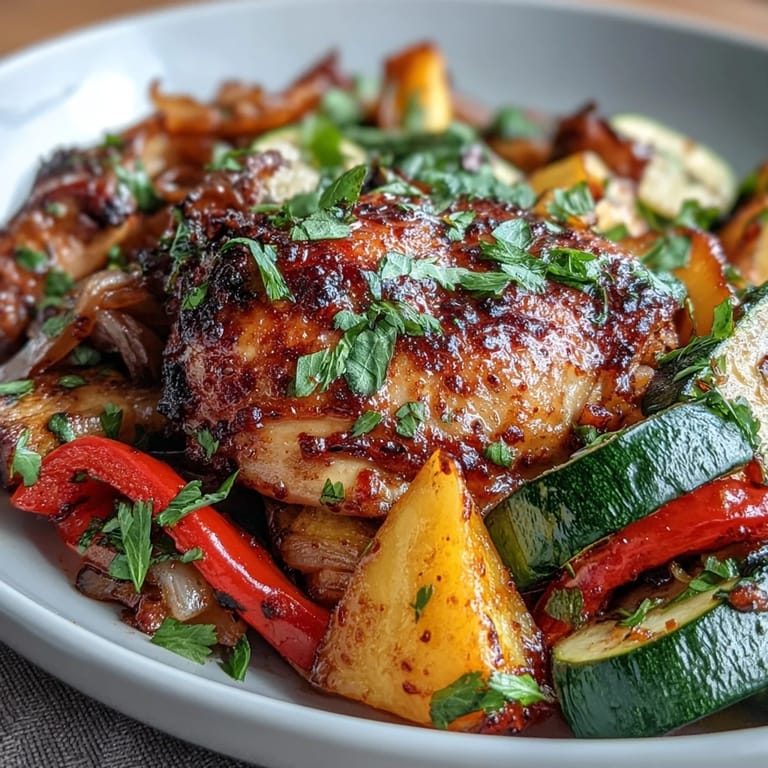
Save Last summer, my neighbor knocked on the door with a bag of mangoes from her tree, ripe and almost falling apart in the bag. I had chicken thawing and zero inspiration until she mentioned how sweet fruit pairs with spicy heat. That afternoon, everything came together on one pan in the oven, and somehow the timing worked perfectly—the chicken stayed juicy, the vegetables softened just right, and the mango caramelized slightly at the edges. It became the dinner I made three times that month.
I made this for my sister's surprise dinner party, and the mango-chili combination sparked an entire conversation about flavor balance that lasted through dessert. Someone asked why the mango doesn't fall apart, and I realized I'd never thought about it—it just worked, maybe because the oven's heat mellows the spice and lets the sweetness shine. That's when I started paying attention to how time and temperature change the way ingredients talk to each other.
Ingredients
- Boneless, skinless chicken breasts (4, about 150 g each): Quality matters here because they'll cook evenly and stay moist; I learned to pound them to consistent thickness if some pieces are thicker than others.
- Olive oil (2 tablespoons): This carries the spice flavors and helps everything cook without sticking, so don't skip it thinking you can use cooking spray.
- Fresh lime juice (2 tablespoons): Never use bottled; the fresh juice brings brightness that bottled versions can't match, and you'll taste the difference immediately.
- Chili powder (2 teaspoons): The foundation of the heat profile; different brands vary in intensity, so adjust based on what you have and your preference.
- Smoked paprika (1 teaspoon): This adds depth and a subtle smokiness that makes people wonder what secret ingredient you used.
- Garlic powder (1 teaspoon): Dried garlic works better here than fresh because it distributes evenly through the marinade without burning.
- Salt and black pepper (1 teaspoon salt, ½ teaspoon pepper): Season generously; these basics amplify everything else.
- Red and yellow bell peppers (1 of each, sliced): The color isn't just pretty; each color tastes slightly different, with yellow being a touch sweeter.
- Red onion (1 small, sliced): Red onion stays firmer than yellow and adds a mild sweetness that balances the heat.
- Zucchini (1 medium, sliced): Slice it on the thicker side so it doesn't turn mushy, and watch it toward the end of cooking.
- Fresh ripe mango (1 large, peeled and diced): This is the star player; choose one that yields slightly to pressure and smells sweet at the base, not hard and flavorless.
- Fresh cilantro (2 tablespoons, chopped): Add this only at the end to keep its bright flavor from cooking away.
- Lime wedges (for serving): These add one final pop of acidity that ties everything together.
Tired of Takeout? 🥡
Get 10 meals you can make faster than delivery arrives. Seriously.
One email. No spam. Unsubscribe anytime.
Instructions
- Heat your oven and prepare the stage:
- Preheat to 400°F and either grease a large baking sheet well or line it with parchment paper. This matters because sticking will ruin the presentation of everything.
- Build the marinade:
- Whisk together olive oil, lime juice, chili powder, smoked paprika, garlic powder, salt, and black pepper in a small bowl until the spices dissolve into the oil. You want it smooth, not gritty.
- Coat the chicken:
- Place chicken breasts in a bowl or bag, pour half the marinade over them, and toss until every surface glistens. Let them sit for at least 10 minutes while you prep vegetables—this isn't just for flavor, it's also for even cooking.
- Arrange the vegetables:
- Spread bell peppers, red onion, and zucchini across the baking sheet, drizzle with the remaining marinade, and toss everything together. They should be in a single layer with room between pieces, not crowded.
- Nestle the chicken and add the mango:
- Place marinated chicken breasts on top of the vegetables, spacing them so heat circulates. Scatter diced mango across and around the chicken, letting some pieces tuck under the chicken for caramelizing.
- Roast until everything is done:
- Bake for 25 to 30 minutes; the chicken is ready when an instant-read thermometer hits 165°F in the thickest part. The vegetables should be tender and the edges of the mango slightly golden.
- Rest, garnish, and serve:
- Let everything rest for 5 minutes after coming out of the oven—this lets the chicken relax and stay juicy. Scatter cilantro over top and serve with lime wedges so people can squeeze extra brightness onto their plates.
 Save
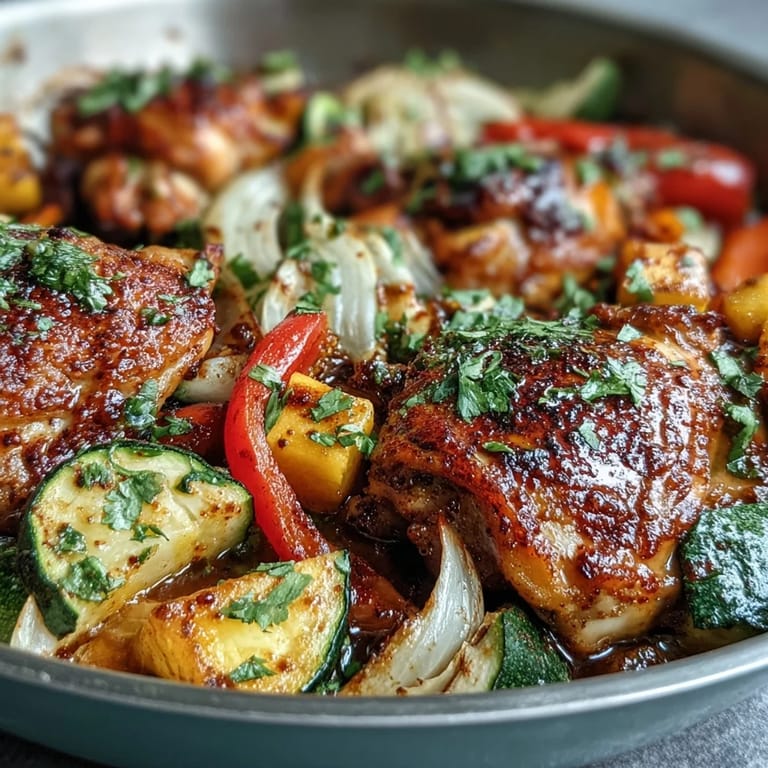
Save There's a moment when the pan comes out of the oven and the smell hits you—smoky, bright with lime, sweet from mango, spicy in a way that makes you breathe in slowly. That's when I know it's going to be good. My teenager, who usually picks things apart, asked for seconds without complaint, which felt like a win.
Timing and Temperature Matter
The success of this dish lives in the oven temperature and watching closely toward the end. I learned this after cooking one pan at 375°F, which made everything take 40 minutes and the mango turned brown rather than golden. 400°F is the sweet spot—hot enough that the chicken cooks through without drying out, and the vegetables caramelize at their edges without shriveling. Use an instant-read thermometer on the chicken if you're unsure; guessing by color is how I've undercooked things more than once.
Mango Choices and Substitutions
Fresh mango is essential here, but the variety matters less than the ripeness. Ataulfo mangoes are smaller and sweeter, while Kent mangoes are larger and slightly more fibrous, but both work beautifully. If fresh mango isn't available, frozen mango thawed and drained works in a pinch, though fresh always tastes brighter. Some people swap pineapple for a tangier profile, or even peaches for something softer and more floral.
Making It Your Own
This recipe is flexible enough to bend to what's in your kitchen and what you're craving. The marinade base is strong enough to handle additions—extra crushed red pepper flakes if you like real heat, a tablespoon of balsamic vinegar for deeper sweetness, or fresh ginger for zing. I've served it over brown rice, quinoa, and even cauliflower rice depending on what felt right that week.
- Swap chicken thighs for breasts if you prefer darker, more forgiving meat that's harder to overcook.
- Add vegetables you like—thin broccoli florets, green beans, or snap peas all roast beautifully in this setup.
- If you love heat, don't be shy with chili powder or red pepper flakes; taste matters more than the numbers here.
 Save
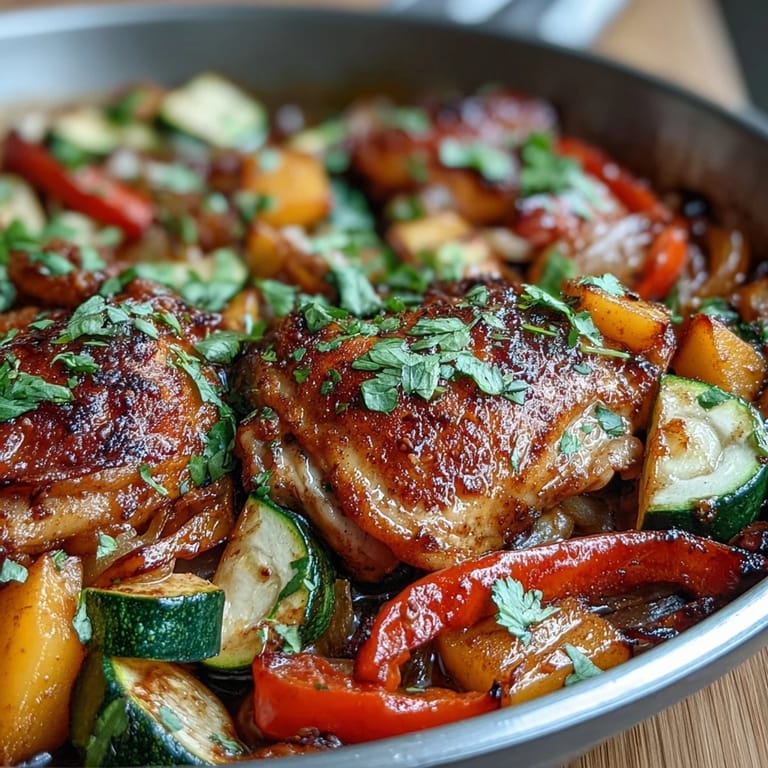
Save This is the kind of dinner that tastes complicated but comes together with minimal effort, leaving you time to set a real table and actually enjoy eating with people you care about. That's what cooking should feel like.
Recipe FAQs
- → Can I use chicken thighs instead of breasts?
Yes, boneless thighs can replace breasts for a richer flavor and juicier texture. Adjust cooking time slightly if needed.
- → How can I increase the spice level?
Add crushed red pepper flakes to the marinade or sprinkle extra chili powder for more heat without overpowering the flavors.
- → What can I serve with this dish?
Serve over brown rice or quinoa for a heartier meal, or enjoy as is for a light and balanced option.
- → Is it possible to swap mango for another fruit?
Pineapple is a great alternative that adds a tangy sweetness complementing the spices and vegetables.
- → How do I ensure the chicken stays moist?
Marinate the chicken for at least 10 minutes and avoid overbaking to maintain juiciness and tender texture.