 Save
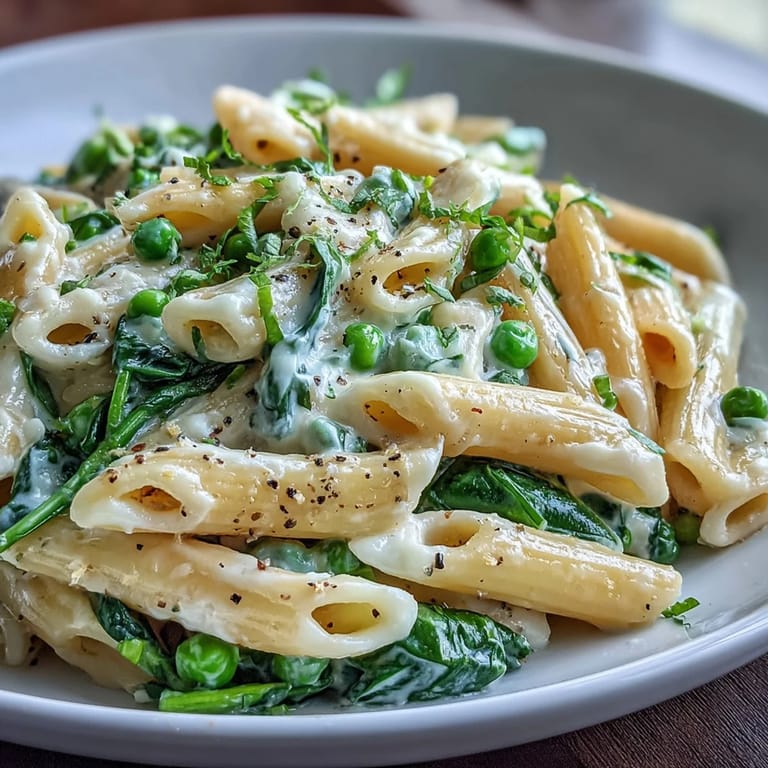
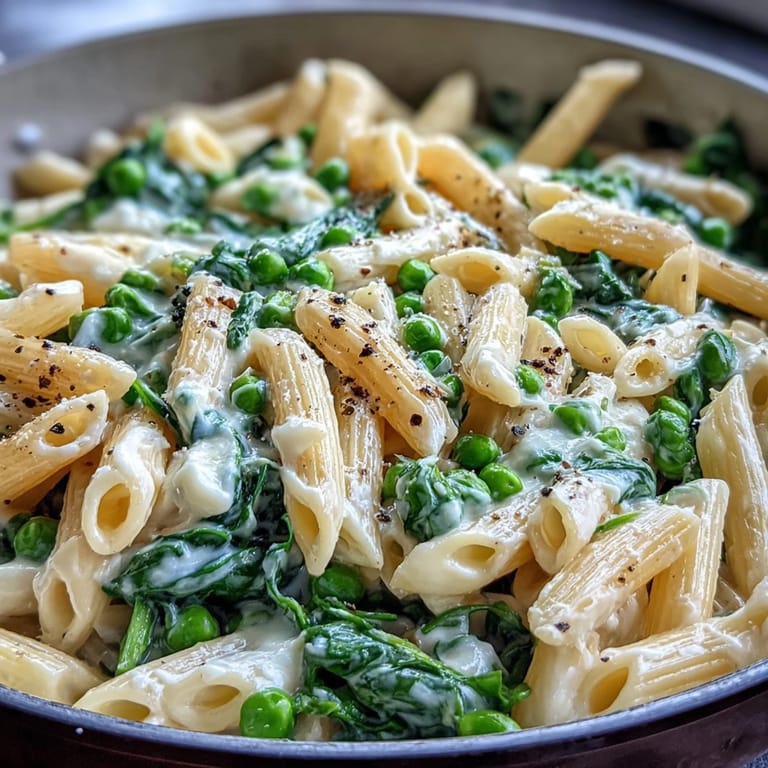
Save The night I first tossed together this lemon ricotta pasta, my kitchen was flooded with the bright, sweet scent of citrus and simmering garlic. Rain tapped at the window and I wanted something cozy, yet lively—an antidote to a gray evening that would come together with little fuss. As the ricotta melted into the pot, I couldn’t help grinning at just how creamy and inviting it looked, especially with peas tumbling through the spirals of pasta. No complicated tricks—just a handful of good things in one pot, finished with a zip of lemon. This is the kind of meal that feels almost effortless but still has plenty of personality.
Not long ago, I made this pasta for my neighbor when she showed up, arms full of garden parsley and a smile, after a long day. The two of us filled bowls to the brim and ate at my kitchen counter, trading stories while the lemony aroma hung in the air and the sauce turned silky right before our eyes.
Ingredients
- Short pasta (penne or fusilli): Shape matters—these hold onto the creamy sauce perfectly and cook evenly in one pot.
- Ricotta cheese: The trick is stirring it in off the heat, so it stays lush and never grainy.
- Grated Parmesan: Adds salty sharpness and helps bring everything together in a glossy sauce.
- Whole milk: Loosens the ricotta just enough for that swoon-worthy texture.
- Green peas (fresh or frozen): They cook quickly, adding little bursts of sweetness—throw them in straight from the freezer if needed.
- Fresh spinach: It wilts instantly and sneaks in vibrant color and vitamins—tougher greens need more time.
- Garlic: One minute in the pan is all it needs to perfume the oil without turning bitter.
- Lemon zest and juice: The zest is where the bright punch hides, while the juice provides a gentle tang that balances the creaminess.
- Olive oil: Essential for that initial sizzle and for carrying the garlic flavor through every mouthful.
- Salt and black pepper: Never underestimate what a few pinches can do—taste as you go for the best outcome.
- Lemon zest, basil, or parsley (for garnish): If you have fresh herbs on hand, toss them over at the end for extra color and freshness.
Tired of Takeout? 🥡
Get 10 meals you can make faster than delivery arrives. Seriously.
One email. No spam. Unsubscribe anytime.
Instructions
- Sizzle the garlic:
- Drizzle olive oil into your biggest skillet and let the garlic warm gently until fragrant, swirling the pan so nothing browns too fast.
- Get the pasta and peas going:
- Tip in the pasta and peas, dust with salt, and pour in enough water to just submerge everything—you'll hear a hiss as it hits the pan.
- Simmer to al dente:
- Let it bubble away, giving the pot a stir now and then until the pasta is almost cooked and there's only a little starchy liquid left.
- Wilt the spinach:
- Tumble in the spinach and stir as it softens, shrinking quickly into the tangle of noodles and peas.
- Make it creamy:
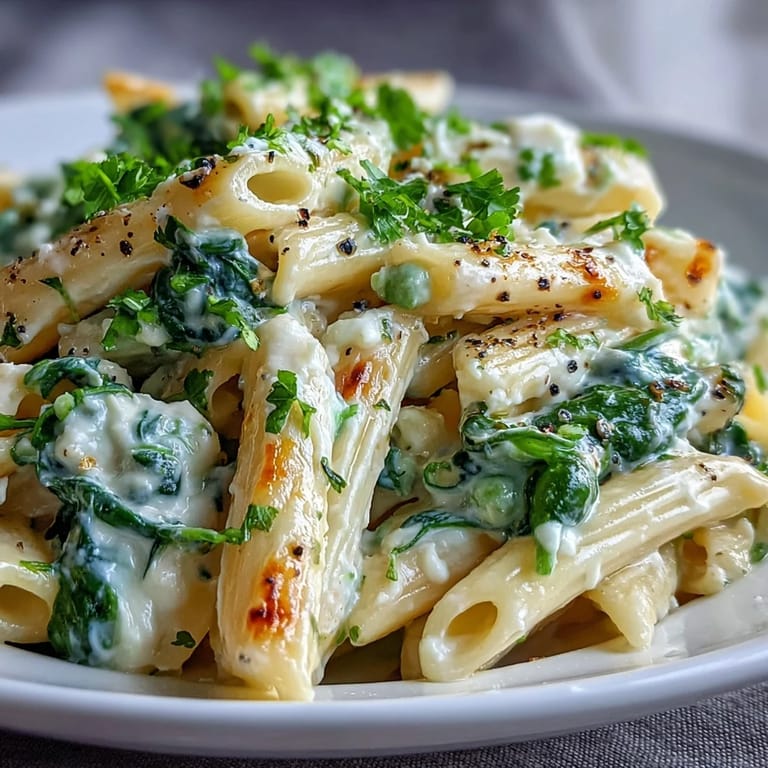
- Lower the heat and dollop in ricotta, Parmesan, milk, lemon zest, and juice—gently toss everything so the sauce turns creamy and coats each piece perfectly.
- Season and serve:
- Shower with black pepper, tweak the salt, and heap into bowls; finish with more zest and herbs if you're in the mood.
 Save
Save 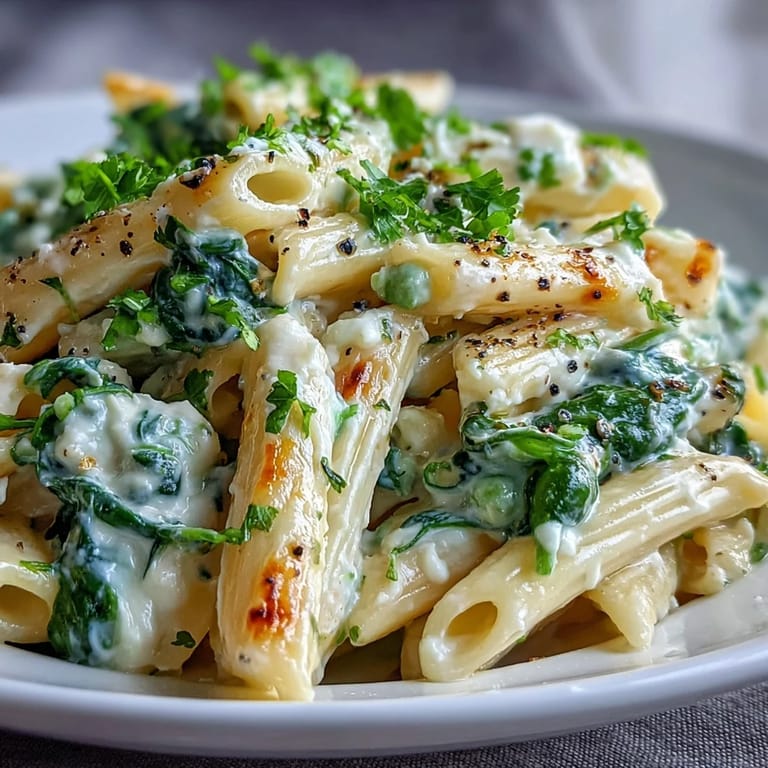 Save
Save Once, I made this for lunch on a lazy Sunday—my partner wandered in, lured by the smell, and soon we ended up eating straight from the pot, perched side by side on the kitchen floor. There was something about that creamy, zesty combination that turned a regular afternoon into a little celebration.
Choosing Your Greens
I've tried swapping spinach for kale or arugula when the fridge is low—kale takes a minute or two longer to soften, but both bring their own little twist to the dish. If you like a peppery edge, definitely go with arugula—just stir it in at the very end so it stays bright and crisp.
Quick Fixes for Extra Flavor
I love tossing in a pinch of chili flakes or grating extra lemon zest over each bowl—a trick picked up from a friend who demands every meal have a punchy finish. Sometimes a spoonful of toasted pine nuts or walnuts gets sprinkled on top for crunch, which is completely optional but kind of magical.
Weeknight One-Pot Wonders
This recipe has turned into my go-to, especially on nights when there's little energy left for cleanup. The fact that it slides right off the spoon, creamy without being heavy, means nobody minds seconds—or washing up.
- If your sauce looks too thick, stir in a splash of the pasta cooking water at the end.
- Frozen peas work just as well as fresh and need zero prep.
- Don’t skip the fresh lemon zest—it makes the whole dish sing.
 Save
Save  Save
Save May this bowl bring you as much comfort and brightness as it has in my little kitchen—it’s always worth making extra for tomorrow’s lunch.
Recipe FAQs
- → Can I use fresh peas instead of frozen?
Yes. Fresh peas work well and add a delicate sweetness; add them a minute or two earlier in the simmer so they reach tender-crisp texture without overcooking.
- → How do I prevent a watery sauce?
Drain only minimal liquid: cook pasta until most water is absorbed, then stir in cheeses off the heat so the residual starch and fat bind into a creamy coating rather than a thin broth.
- → What pasta shapes work best?
Short, ridged shapes like penne, fusilli or rigatoni catch the creamy cheese sauce nicely; small shapes also cook evenly in a single pot.
- → How can I make it richer?
Stir in a knob of butter, a splash more milk or a few tablespoons of mascarpone for extra silkiness; a handful of toasted pine nuts adds richness and crunch.
- → Is this suitable for a gluten-free diet?
Use certified gluten-free pasta and check labels on any added ingredients; cooking times may vary slightly, so watch texture closely.
- → How should I store and reheat leftovers?
Keep leftovers in an airtight container in the fridge up to 3 days. Reheat gently on the stovetop with a splash of milk or water to loosen the sauce and restore creaminess.