 Save
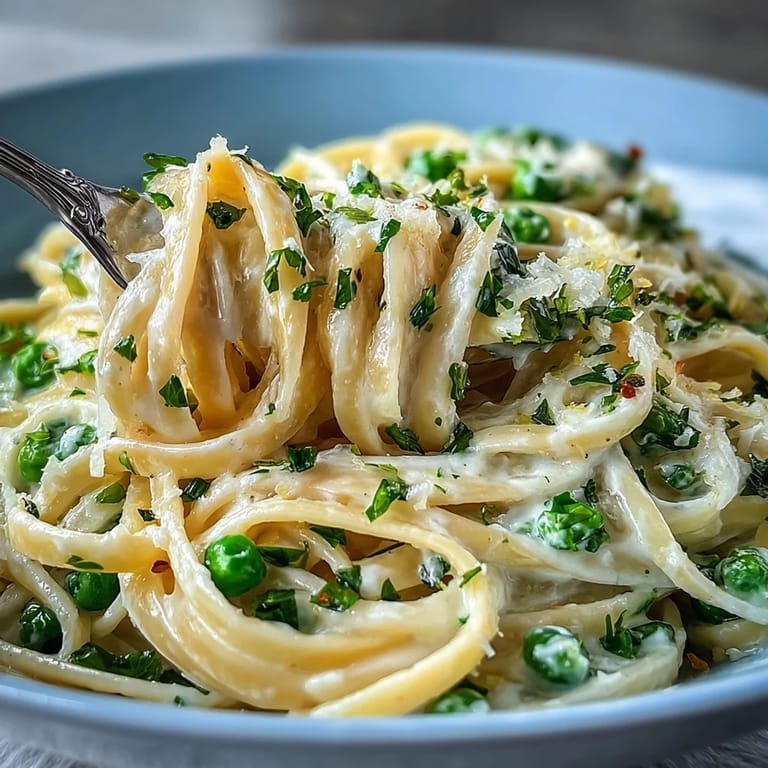
Save The scent of lemon zest filling the kitchen instantly lets me know that spring has arrived. Cooking this Ricotta and Lemon Linguine with Peas always feels like a celebration of the season, especially when sunlight streams in through the window and everything smells so fresh. That first swirl of creamy sauce and pasta makes me think of afternoons spent hunting for young peas at the farmers market, chatting about what dish to make for dinner. Sometimes cheerful mistakes happen—like realizing I added an extra squeeze of lemon—and it turns out even more vibrant than planned. It's a playful, forgiving dish that welcomes improvisation.
I remember the dinner when I served this pasta to my friend after a long day, and it brought the table to life—everyone reached for seconds and the jokes flowed a little more freely. The sound of peas snapping in the skillet and laughter in the air made that meal memorable, even though the prep was simple. Cooking together, we argued (in good fun) about whether to add extra parmesan, but in the end, everyone loved the balance of creaminess and citrus. It’s moments like those that make a recipe truly part of your story. I now toss it together for spring gatherings, knowing it’s always a hit.
Ingredients
- Linguine: Choose a quality pasta—the way it cooks up al dente really matters, and reserve some cooking water for finishing the sauce.
- Fresh or frozen peas: Fresh peas taste sweeter, but frozen peas save time and still work beautifully; just cook until they're bright and tender.
- Minced garlic: Careful not to let the garlic brown, or it turns bitter; fragrant garlic is the secret to the dish’s foundation.
- Lemon zest and juice: Use an unwaxed lemon for zestting, and squeeze the juice just before mixing for maximum brightness.
- Ricotta cheese: Whip the ricotta to smoothness—this creates that signature creamy sauce.
- Parmesan cheese: Grate it yourself for the best flavor; it adds saltiness and depth.
- Extra-virgin olive oil: A drizzle in the skillet brings richness and helps marry the flavors.
- Fresh parsley: Sprinkle at the end for a pop of herbal freshness and color.
- Salt and black pepper: Season generously, and taste as you go to keep everything balanced.
Tired of Takeout? 🥡
Get 10 meals you can make faster than delivery arrives. Seriously.
One email. No spam. Unsubscribe anytime.
Instructions
- Boil and Prep the Pasta:
- Fill your pot and let the bubbles dance, then drop in linguine. Cook until just tender, scoop out pasta water, then drain—this step smells comforting and sets the stage.
- Sauté Garlic and Peas:
- Heat olive oil and listen to the sizzle as garlic gets fragrant—then toss in peas, stirring until they’re lively green and tender but not mushy.
- Mix the Ricotta Base:
- In a big bowl, combine ricotta, lemon zest, juice, parmesan, salt, and pepper. Stir until smooth, feeling the mixture turn creamy beneath your spoon.
- Bring it Together:
- Add the hot pasta and peas (along with their garlicky oil) to the ricotta bowl. Toss gently, adding pasta water bit by bit until every strand gleams without puddles.
- Finish and Serve:
- Sprinkle parsley and taste for final seasoning. Serve while steamy with extra parmesan and lemon zest—every forkful releases lemony aromas.
 Save
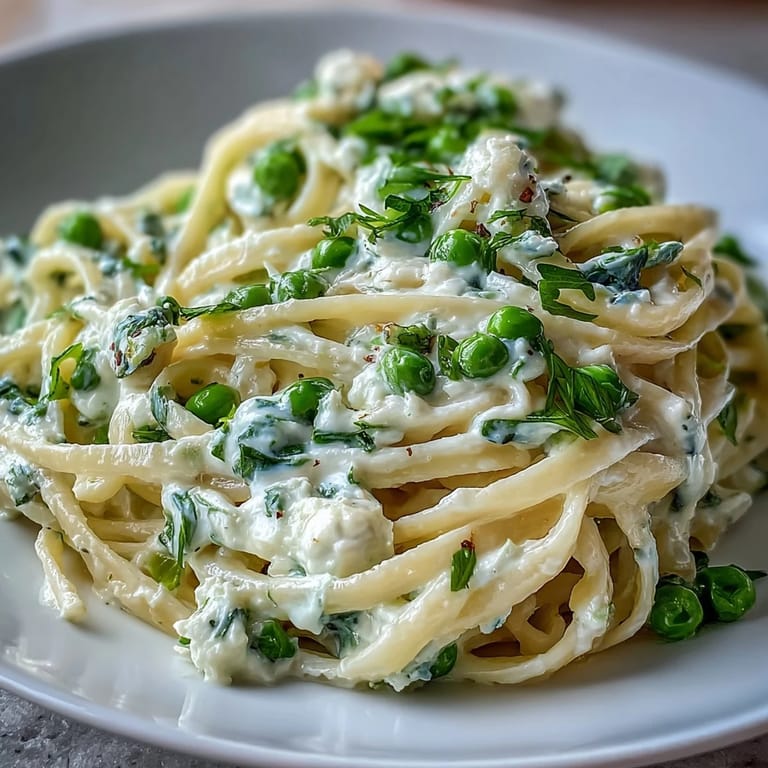
Save One spring evening, I watched my sister’s eyes widen as she tasted her first forkful—she was so surprised by the brightness that she grabbed another plate and insisted we save this recipe forever. It was just a casual Tuesday, but we lingered longer at the table, trading garden stories and squeezing lemon over our plates. That night, the pasta felt like a reward for making it through the week, and every bite was a tiny celebration. It’s the kind of dish that somehow elevates ordinary moments into cherished memories. Now, it’s our go-to for spontaneous family dinners.
The Power of Freshness
The difference that fresh peas and parsley bring to this dish is unmistakable—each adds a sweet, grassy note that lifts everything. Whenever I can snag peas just harvested, I use them for extra crunch and color. But even with frozen peas, the spring mood comes through if you don’t overcook them. Rapid sautéing is the key, giving maximum flavor without losing texture. Let the herbs linger until the last moment for the brightest finish.
Ricotta Sauce Secrets
I used to dump the ricotta directly into the skillet, only to watch it split and lose its creamy magic. Mixing the sauce in a room-temperature bowl ensures smoothness—plus, you can adjust lemon and parmesan easily. If you want a richer sauce, try swapping in mascarpone or adding an extra splash of pasta water. Parmesan blended right in helps everything meld without clumps. It’s a forgiving trick, especially if your ricotta is a bit dry.
Finishing Touches That Make It Special
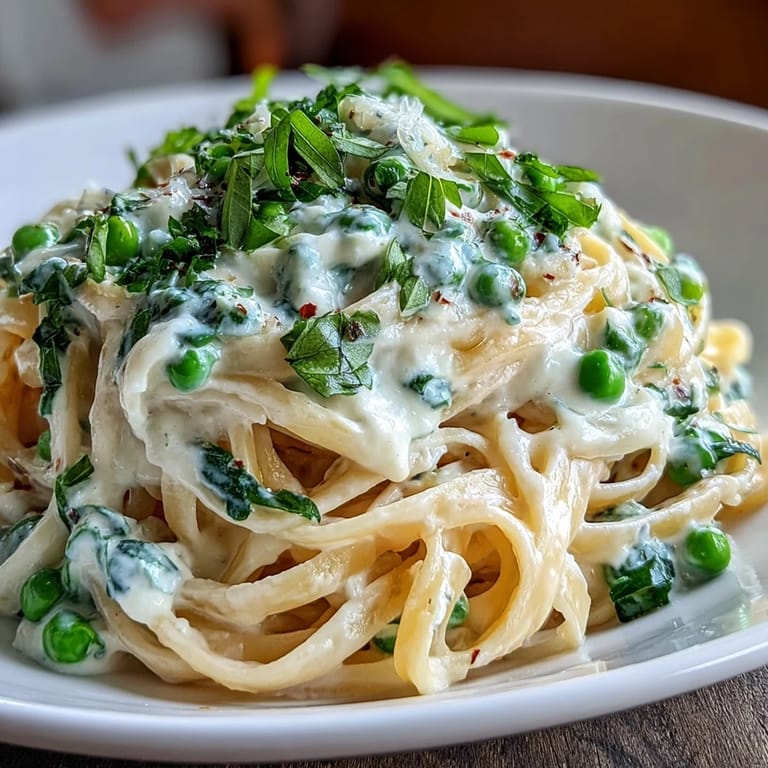
Some nights, I’ll add a surprise touch—maybe a handful of arugula or a sprinkle of extra lemon zest, just for fun. The garnish goes on as the pasta steams, adding aroma and freshness you notice with every bite. For those who love a little heat, black pepper cracked over top gives gentle warmth. Serving in warm bowls keeps the sauce extra glossy until the last forkful.
- If rushed, pre-chop parsley and zest lemon in advance.
- Add spinach or arugula for an even greener plate.
- Don’t forget to taste and tweak salt; a pinch more sometimes changes everything.
 Save
Save Spring pasta nights invite everyone to linger, laugh, and savor a bowl of sunshine. I hope this recipe brings a little of that warmth into your kitchen, too.
Recipe FAQs
- → How do I make the pasta sauce creamy?
Mix ricotta, lemon zest, lemon juice, Parmesan, salt, and pepper; toss with pasta and peas, adding reserved water until creamy.
- → Can I use frozen peas?
Yes, frozen peas work well. Cook them slightly longer in the skillet until bright green and tender.
- → What type of pasta works best?
Linguine is ideal, but fettuccine or spaghetti can substitute for similar texture and sauce coating.
- → How can I add extra greens?
Add a handful of baby spinach or arugula during cooking for extra color and freshness.
- → What wine pairs well with this dish?
Chilled Sauvignon Blanc or Pinot Grigio complements the bright lemon and creamy ricotta flavors nicely.
- → Is the dish vegetarian?
Yes, it uses ricotta, Parmesan, and peas, making it suitable for a vegetarian diet.