Save
Save The smell of butter browning in a hot pan still pulls me straight back to my tiny apartment kitchen, standing in socks on cold tile, craving something warm and fast. I was tired of sad, single-slice grilled cheese that never quite delivered, so I grabbed every cheese in my fridge and piled them on thick sourdough. The first bite was so good I actually laughed out loud. That sandwich taught me that sometimes more really is more.
I made this for my sister during a surprise visit, and she ate half of it before even sitting down. She kept saying it reminded her of the grilled cheese our dad used to make on Sundays, except better because the cheese actually melted all the way through. We stood at the counter, splitting the second sandwich, and she admitted she'd been living on freezer meals for weeks. Sometimes the smallest things pull people back to themselves.
Ingredients
- Country-style or sourdough bread: Thicker slices hold up to all that cheese without getting soggy, and sourdough adds a slight tang that balances the richness.
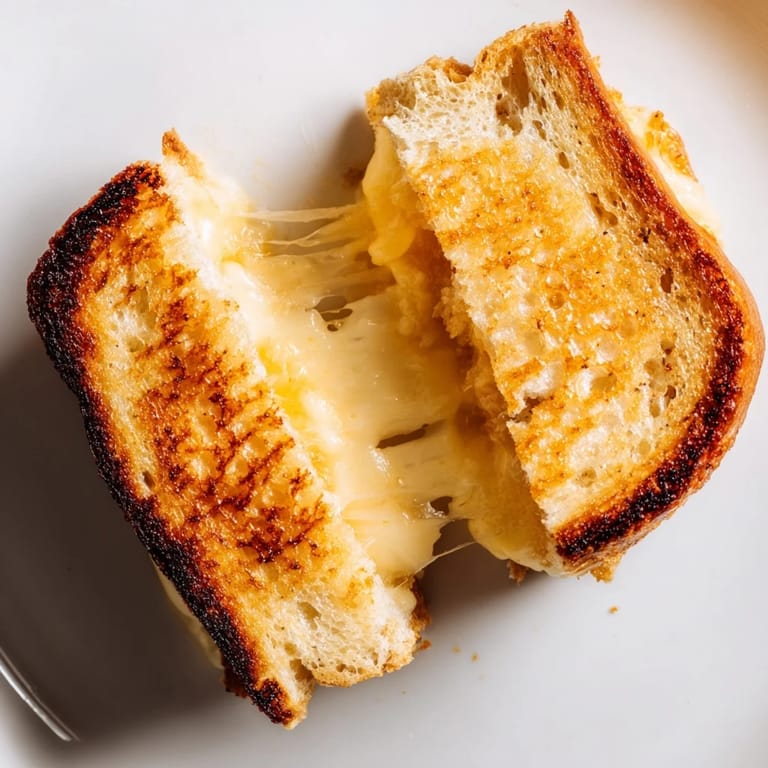
- Shredded mozzarella cheese: This is your melt champion, the cheese that stretches and binds everything together into those perfect cheese pulls.
- Shredded sharp cheddar cheese: It brings bold, tangy flavor that keeps the sandwich from tasting one-dimensional or too mild.
- Shredded provolone cheese: Provolone adds a subtle smokiness and creamy texture that rounds out the blend beautifully.
- Unsalted butter, softened: Softened butter spreads evenly without tearing the bread, and it toasts up golden and crisp in the pan.
- Dijon mustard (optional): A thin smear inside adds a little sharpness and complexity without overpowering the cheese.
- Black pepper (optional): Just a pinch wakes up the flavors and adds a hint of warmth.
Tired of Takeout? 🥡
Get 10 meals you can make faster than delivery arrives. Seriously.
One email. No spam. Unsubscribe anytime.
Instructions
- Prep the bread:
- Lay out your bread slices on a clean counter. If you want a little extra zing, spread a thin layer of Dijon mustard on two of the slices now.
- Mix the cheeses:
- Toss the mozzarella, cheddar, and provolone together in a small bowl. Mixing them first ensures every bite has all three cheeses instead of clumps of one kind.
- Build the sandwiches:
- Divide the cheese mixture evenly between two bread slices, piling it generously. Sprinkle with black pepper if you like, then top with the remaining bread slices.
- Butter the outsides:
- Spread a thin, even layer of softened butter on the outside of each sandwich, top and bottom. Don't skip the edges or they'll stay pale.
- Heat the pan:
- Warm a large nonstick skillet or griddle over medium-low heat. Let it heat gradually so the cheese has time to melt before the bread burns.
- Cook the sandwiches:
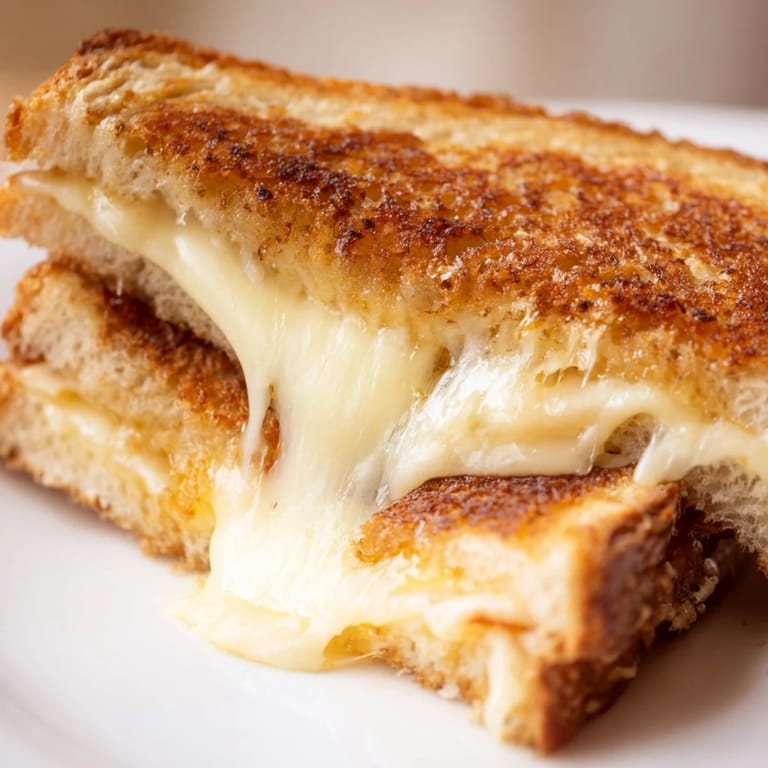
- Place the sandwiches in the skillet and cook for 3 to 4 minutes per side, pressing gently with a spatula. You want deep golden brown crust and fully melted, gooey cheese inside.
- Rest and serve:
- Pull the sandwiches from the pan and let them rest for a minute so the cheese sets just slightly. Slice and serve immediately while they're still hot.
 Save
Save One rainy afternoon, I made a double batch of these and brought them to a friend who'd just had a baby. She texted me later that night saying it was the first real meal she'd eaten sitting down in days. She said the crispy, cheesy simplicity of it made her feel like a person again, not just a milk machine. I've made it for her three times since.
Choosing Your Bread
I've tried this sandwich on everything from white sandwich bread to thick-cut rye, and I keep coming back to sourdough or country-style loaves. The sturdier crumb handles the weight of all that cheese, and the slight chew gives you something to bite into. Thinner breads can work, but they tend to get limp and soggy before the cheese fully melts. If you're using a softer bread, just keep the heat low and be patient.
Adding Extra Flavor
Once you've nailed the basic version, it's hard not to start experimenting. I've tucked in thin slices of tomato, caramelized onions, even a few leaves of fresh basil, and they all work beautifully as long as you don't overload it. The key is to keep additions thin and fairly dry so they don't make the sandwich soggy or prevent the cheese from melting properly. A little goes a long way when the cheese is already this rich.
Serving Suggestions
This sandwich is perfect on its own, but it's even better with a bowl of tomato soup for dipping. I also love serving it with a handful of pickles or a small side salad dressed with something sharp and vinegary to cut through the richness. If you're feeding kids, slice it into strips, they're way more likely to eat something they can dunk and hold easily.
- Pair it with a hot bowl of tomato soup for the ultimate comfort meal.
- Serve alongside dill pickles or pickled vegetables for a tangy contrast.
- Cut into strips for kids or for a party appetizer that everyone will devour.
 Save
Save This sandwich has pulled me out of more bad moods than I can count, and I hope it does the same for you. There's something about crispy bread and melted cheese that just makes everything feel a little more manageable.
Recipe FAQs
- → What type of bread works best for this sandwich?
Country-style or sourdough bread are ideal choices. They're sturdy enough to hold the three cheeses without falling apart and develop a satisfying crispy crust when buttered and grilled. Avoid thin sandwich bread as it may tear easily.
- → Why is medium-low heat important?
Medium-low heat allows the cheese to melt completely while the bread toasts to golden brown. High heat may burn the exterior before the cheese melts inside, resulting in cold cheese and charred bread.
- → Can I prepare this ahead of time?
Yes, you can assemble the sandwiches up to 2 hours ahead and refrigerate them. This may require an extra 1-2 minutes of cooking time. Don't butter the bread until ready to cook for best results.
- → What pairs well with this sandwich?
Tomato soup is a classic pairing. You can also serve it with pickles, potato chips, or a simple green salad. The acidity of tomato soup complements the rich, creamy cheese perfectly.
- → How do I prevent the butter from burning?
Use softened butter and spread it in a thin, even layer. Medium-low heat prevents burning. If butter starts browning too quickly, reduce heat slightly. High moisture content in softened butter helps it distribute evenly without scorching.
- → Can I add other ingredients?
Absolutely. Try adding sliced tomatoes, caramelized onions, crispy bacon, or fresh herbs between cheese layers. A thin layer of Dijon mustard on the bread adds extra flavor without overwhelming the cheese.