 Save
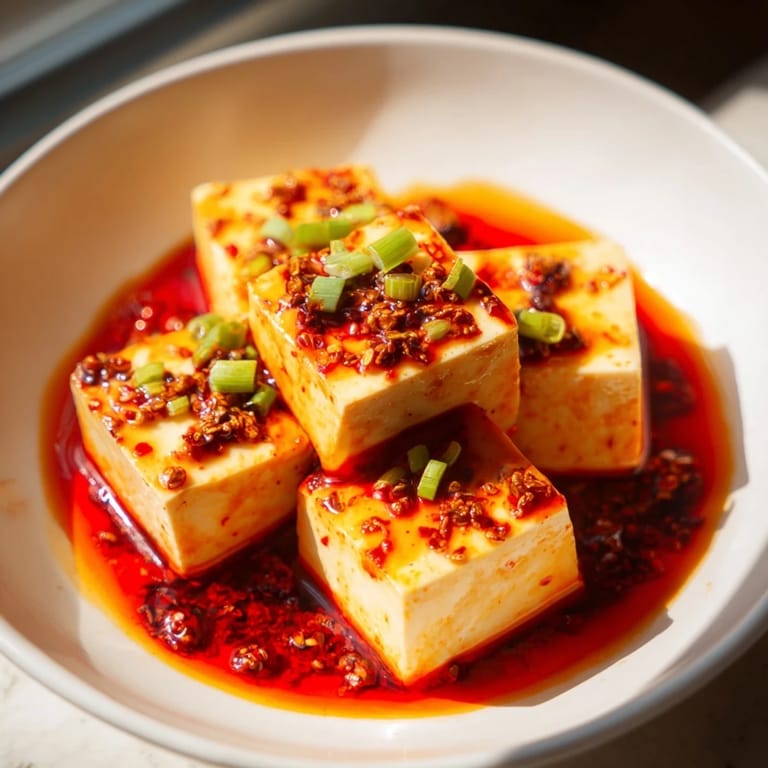
Save The first time I tasted mapo tofu was at a tiny restaurant tucked between two apartment buildings in Chengdu, and I remember being startled by the tingle on my tongue—that distinctive numbing sensation from Sichuan peppercorns that feels almost electric. The silky tofu cubes were swimming in a rust-colored sauce that looked deceptively simple but packed more complexity than I could have imagined. Years later, I learned to make it at home, and now it's become the dish I reach for when I want to impress people or just feed myself something that feels both comforting and alive.
I made this for a friend who claimed they couldn't handle spicy food, and watching their face transform from skeptical to absolutely stunned was worth every minute in the kitchen. They kept asking for more rice, more sauce, more of that tingling feeling—sometimes I think the best dishes are the ones that challenge what people think they want.
Ingredients
- Silken or soft tofu: The delicate kind that jiggles when you move the container—this is crucial because it soaks up the sauce and becomes silky rather than bouncy.
- Sichuan doubanjiang: This fermented chili bean paste is the soul of the dish, so hunt for a good brand if you can; cheap versions taste one-dimensional.
- Sichuan peppercorns: Toast them yourself if possible—the aroma that rises is your signal that they're releasing their numbing magic.
- Ground pork or beef: Optional, but it adds depth and richness that makes the whole dish more interesting.
- Shaoxing wine: Don't skip it; the slight sweetness balances the heat and adds a savory undertone you can't replicate with other ingredients.
- Cornstarch slurry: This is what turns the sauce from thin to glossy and makes it cling to every piece of tofu.
- Soy sauce: Just enough to add umami without overpowering the other flavors.
- Garlic and ginger: Mince them fine so they distribute evenly and cook quickly—chunky pieces will feel raw.
Tired of Takeout? 🥡
Get 10 meals you can make faster than delivery arrives. Seriously.
One email. No spam. Unsubscribe anytime.
Instructions
- Prep everything first:
- Drain your tofu and cube it gently—I use a wooden spoon to avoid shattering the delicate blocks. Whisk the cornstarch and water together so there are no lumps, and separate your scallion whites from the greens because they cook at different speeds.
- Toast and grind the peppercorns:
- Pop them in a dry pan over medium heat and listen for them to start crackling and smell nutty and almost citrusy. Transfer to a mortar and crush them—don't pulverize them into powder, just break them into smaller pieces so you get little bursts of flavor.
- Build the flavor base:
- Heat your oil and add the scallion whites with the garlic and ginger, letting them sizzle for about a minute until your kitchen smells incredible. If you're using meat, add it now and break it apart with your spoon, browning it thoroughly.
- Bloom the bean paste:
- This is the magic step—stir in that doubanjiang with any dried chilies and cook it for a minute or two until the oil turns deep red and fragrant. This step transforms the raw paste into something that tastes cooked and developed.
- Add the sauce and simmer:
- Pour in the Shaoxing wine, soy sauce, sugar, and broth, then let it come to a gentle simmer. The flavors start merging into something complex at this point.
- Slide in the tofu:
- Gently nestle your tofu cubes into the simmering sauce and let them cook for about five minutes, occasionally spooning the sauce over the top. The gentle heat softens them further and lets them absorb all those spicy, numbing flavors.
- Thicken and finish:
- Give your cornstarch slurry a quick stir and drizzle it in while stirring gently—the sauce will suddenly go from loose to glossy and coat-y. The transformation happens in seconds, so watch it carefully.
- Garnish and serve:
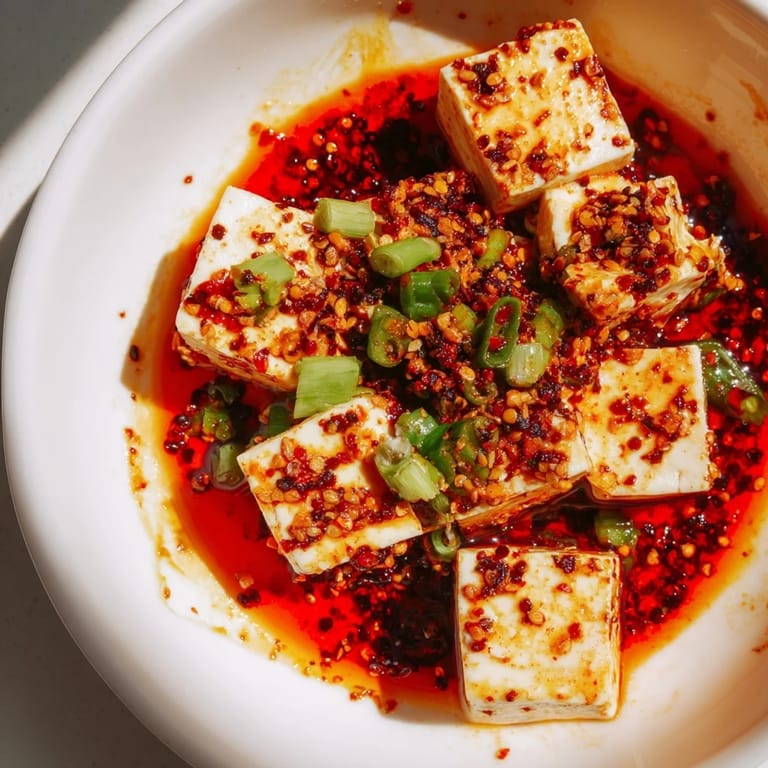
- Sprinkle everything with your ground Sichuan peppercorns and the scallion greens, then serve immediately over steaming rice. A final drizzle of chili oil is optional but absolutely worth considering.
 Save
Save The moment when someone realizes that tingling sensation on their lips isn't heat but something completely different—that's when I know the dish has done its job. There's something almost meditative about serving this, watching people slow down and pay attention to every spoonful.
The Story Behind Sichuan Peppercorns
These aren't actually peppers at all—they're dried berries from the prickly ash tree, and they contain hydroxy-alpha sanshool, a compound that literally makes your mouth feel tingly and numb. I learned this from a chef in Sichuan who told me the sensation is called 'má,' and it's supposed to complement heat rather than replace it. When you toast them yourself, you unlock flavors that taste almost floral and citrusy, which is why it's worth hunting for whole peppercorns instead of pre-ground versions that have sat in jars for years.
Choosing Your Tofu
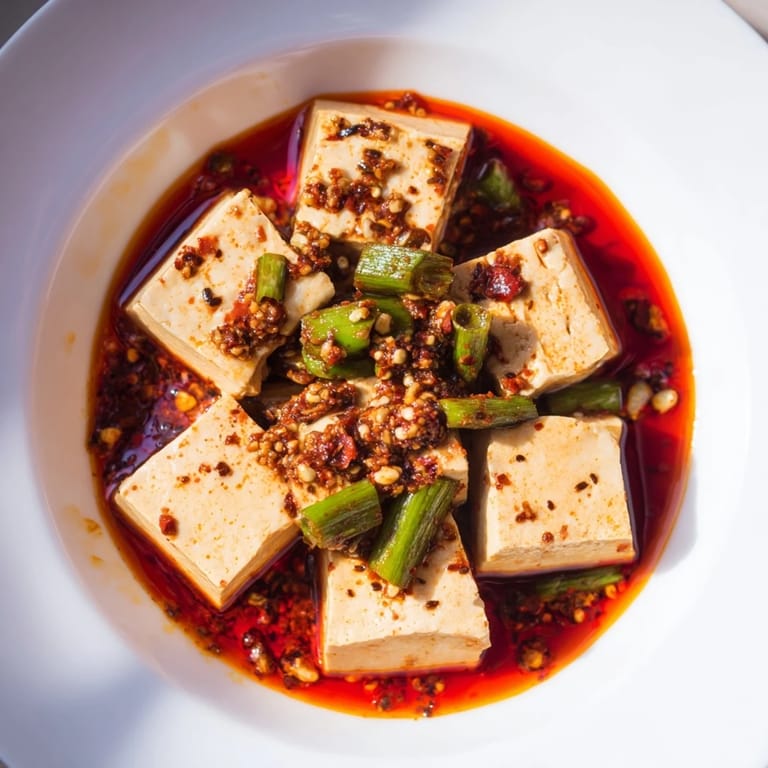
Silken tofu is delicate and absorbs sauce beautifully, but if you want something that holds its shape through simmering without falling apart, soft tofu (or even medium-firm) works better. I use silken when I'm cooking for people who appreciate texture; I use soft when I'm making a weeknight dinner and want something forgiving. The sauce doesn't care—it will taste incredible either way.
Making It Your Own
This recipe is a template, not a rulebook. I've learned that adjusting spice levels is personal—some people want one dried chili, others want four, and that's completely fine. The depth of the dish comes from the fermented bean paste and the toasted peppercorns, so those are the two things I'd never skip. Everything else can shift based on what you have and what you love.
- For vegetarian versions, use vegetarian doubanjiang and vegetable broth, and the dish loses nothing in translation.
- If you can't find Shaoxing wine, a dry sherry works in a pinch, though the flavor shifts slightly.
- A splash of chili oil at the end adds richness and makes people think you've been cooking all day.
 Save
Save This dish taught me that sometimes the simplest-looking meals require the most attention and intention. Serve it hot, with plenty of rice, and let people discover their own relationship with the spice and numbness.
Recipe FAQs
- → Can I make this dish vegetarian?
Yes, substitute the meat with vegetarian doubanjiang and use vegetable broth to keep the dish vegetarian without compromising flavor.
- → What type of tofu is best for this preparation?
Silken or soft tofu provides a delicate texture, but firm tofu can be used if you prefer cubes that hold shape better during cooking.
- → How do I adjust the heat level?
Modify the amount of fermented chili bean paste and dried red chilies to control the spiciness according to your taste.
- → What is the role of Sichuan peppercorns?
Toasted and ground Sichuan peppercorns add a distinctive numbing sensation that balances the chili heat and enriches the flavor profile.
- → Can this dish be prepared without alcohol?
Yes, Shaoxing wine can be omitted or replaced with additional broth if avoiding alcohol.