 Save
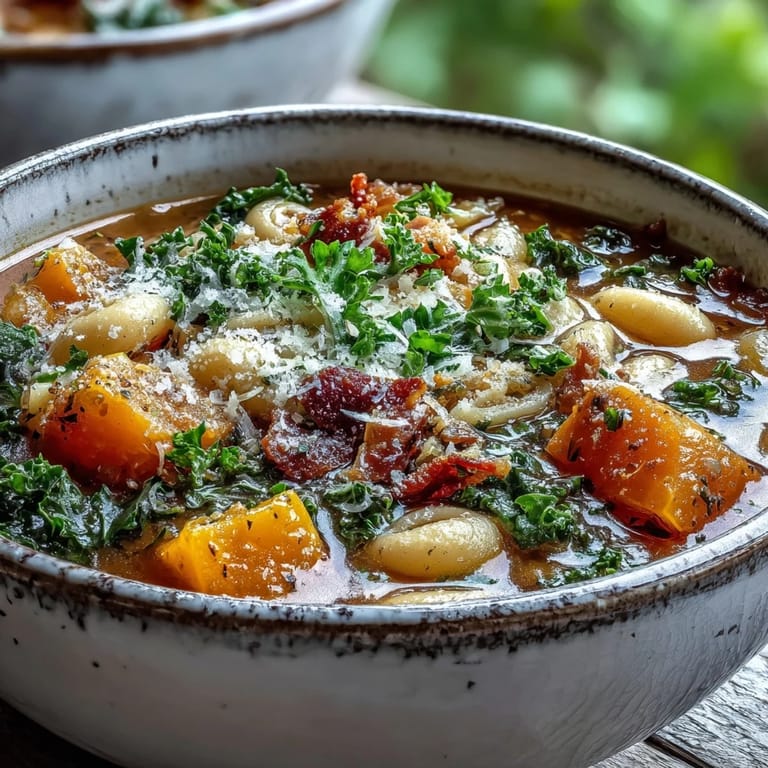
Save The first time I made this Fall Minestrone was on a crisp October afternoon when the maple outside my kitchen window had just turned a brilliant orange. I'd spent the morning at the farmers market, my canvas bag heavy with butternut squash and bundles of kale, the earthy scent of autumn vegetables filling my kitchen. Something about the combination of colors - the orange squash, deep green kale, and creamy beans - felt like the season itself translated into a pot. As I stood over the stove, steam rising and windows fogging, I knew this would become my cold-weather ritual.
Last November, my neighbor knocked on my door after her furnace broke, looking for a warm place to wait for repairs. I had this soup simmering on the stove, and we ended up spending the afternoon at my kitchen table, steam from our bowls fogging our glasses, trading stories about terrible first apartments. She asked for the recipe before she left, and now its become a standing tradition when either of us has had a rough week - soup and stories, no invitation needed.
Ingredients
- Pancetta: Those 4 ounces transform the entire pot with their rich, salty depth - I once substituted bacon in a pinch, and while delicious, the pancettas subtle complexity really does make a difference.
- Butternut Squash: Look for one with a matte rather than glossy skin, which tells you its perfectly ripe and will break down just enough to slightly thicken the broth.
- Kale: I tear the leaves rather than chop them sometimes, creating rustic, irregular pieces that catch little bits of pasta and beans in their curls.
- White Beans: Give them a good rinse but dont be too thorough - a bit of that starchy liquid helps create a slightly silky texture in the final soup.
- Ditalini Pasta: These tiny tubes cook quickly and stay suspended throughout the soup rather than sinking to the bottom like larger shapes do.
Tired of Takeout? 🥡
Get 10 meals you can make faster than delivery arrives. Seriously.
One email. No spam. Unsubscribe anytime.
Instructions
- Start with the pancetta base:
- Heat that olive oil until it shimmers across the surface of your pot, then add the diced pancetta and listen for the gentle sizzle that means its releasing its flavor. Youll know its ready when your kitchen fills with that irresistible porky aroma and the pieces turn golden-edged and crispy.
- Build your aromatic foundation:
- After removing the pancetta, those vegetables will sizzle as they hit the flavorful fat left behind. Watch how they slowly transform from bright, firm pieces to softened, translucent gems that will disappear into the background of your soup while infusing it with sweetness.
- Introduce the star ingredients:
- When you add the butternut squash, notice how its bright orange contrasts against the softer vegetables. As you stir in the garlic, shield your face slightly because that aromatic steam will rush upward, enveloping you in the most comforting scent.
- Create the brothy base:
- Pour in those tomatoes and watch the pot transform into a bubbling cauldron of color. The broth will calm everything down, creating the swimming pool where all these beautiful ingredients will mingle and marry.
- Let the magic happen:
- During that 20-minute simmer, resist the urge to constantly stir. This is when the butternut squash edges soften just enough to release their natural sweetness into the broth.
- Add the finishing touches:
- The kale will look too abundant when you first add it, but watch how quickly it wilts down to manageable size. The pasta will plump up before your eyes, absorbing the flavor-packed broth.
- Bring it all together:
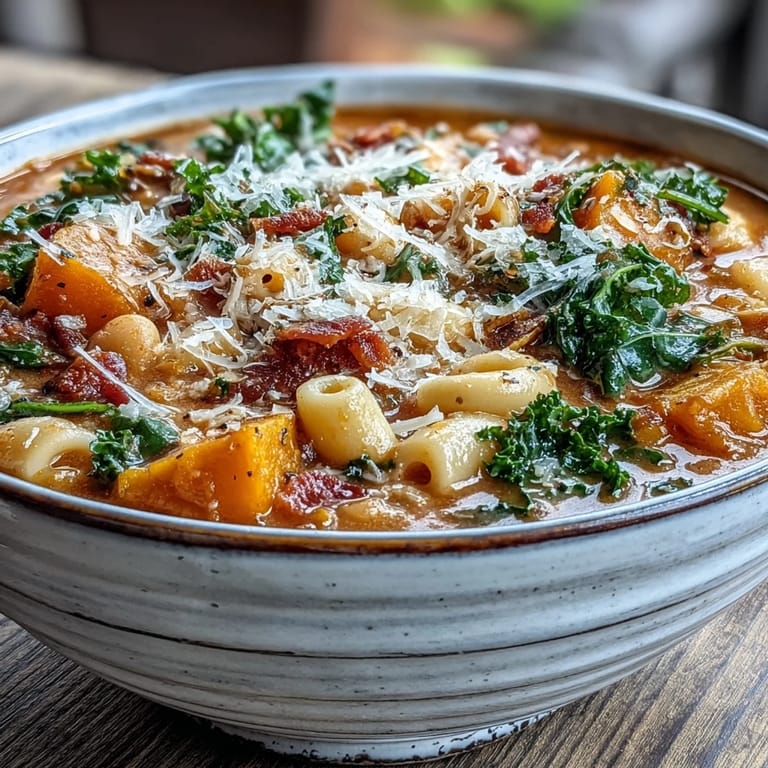
- When you reintroduce the crispy pancetta on top of each bowl, youre creating textural contrast that makes each bite interesting. A snowfall of Parmesan creates little melting pools on the surface that you can swirl into the broth for extra richness.
 Save
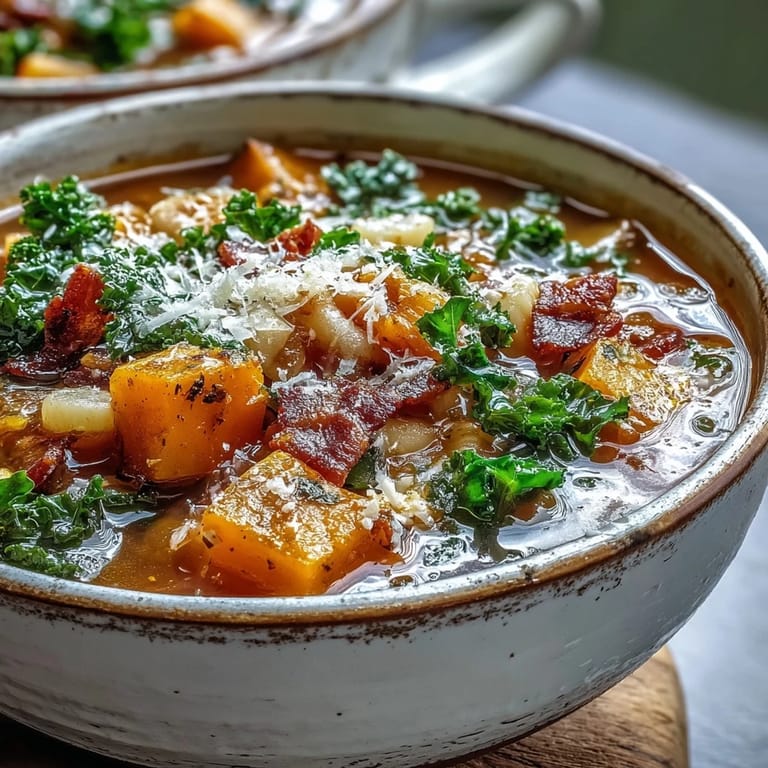
Save My daughter called from college during finals week last year, stress evident in her voice, so I packed a container of this soup in a ridiculous amount of bubble wrap and overnight shipped it to her dorm. She called the next evening laughing through tears, telling me shed heated it in her microwave and the familiar smell had immediately calmed her down. Sometimes the comfort of home travels surprisingly well in a soup container.
Seasonal Variations
Summer has me swapping butternut for yellow summer squash and fresh corn kernels, while spring calls for asparagus tips and tender peas. Winter shifts toward heartier root vegetables like parsnips and turnips that need longer cooking but reward with incredible sweetness. The framework stays the same, but the personality changes with whatevers freshest at the market, making this less a single recipe and more a template for year-round comfort.
Make-Ahead Magic
This soup actually improves after a night in the refrigerator, when all those flavors have had time to get properly acquainted. Just keep the pasta separate if youre planning leftovers, adding it to each reheated portion. For busy weeks, I double the recipe and freeze flat in gallon bags - they defrost quickly under running water and provide instant comfort on nights when cooking from scratch feels impossible.
Serving Suggestions
While perfectly satisfying on its own, this soup reaches new heights with thoughtful accompaniments that complement its rustic nature. A drizzle of extra virgin olive oil just before serving creates these beautiful golden pools that catch the light and add richness to each spoonful.
- Try rubbing a cut garlic clove over toasted sourdough before serving alongside - the subtle garlic perfume elevates a simple side to something memorable.
- A small side salad of bitter greens like arugula dressed simply with lemon and olive oil provides refreshing contrast to the soups heartiness.
- For unexpected delight, offer small dishes of toasted pumpkin seeds or pine nuts that guests can sprinkle on top for added texture.
 Save
Save This Fall Minestrone isnt just about ingredients combining in a pot - its about the way a kitchen transforms when filled with its aromatic promise. Whether shared with friends around a table or savored alone on a quiet evening, it offers the kind of sustenance that nourishes more than just hunger.
Recipe FAQs
- → Can I make this vegetarian?
Yes, simply omit the pancetta and use vegetable broth instead of chicken broth. Add a pinch of smoked paprika to maintain some of the smoky depth that pancetta provides.
- → What pasta shapes work best?
Ditalini is traditional for minestrone, but any small pasta like shells, small macaroni, or orzo works wonderfully. Just adjust cooking time according to package instructions.
- → How do I store leftovers?
Store in an airtight container in the refrigerator for up to 4 days. The pasta will absorb more broth over time, so you may need to add extra liquid when reheating.
- → Can I freeze this soup?
It's best to freeze without the pasta, as it can become mushy. Cook the soup through step 5, cool completely, then freeze for up to 3 months. Add fresh pasta when reheating.
- → What can I substitute for butternut squash?
Delicata squash, acorn squash, or sweet potatoes work well as substitutes. They'll provide similar sweetness and texture to the finished dish.