 Save
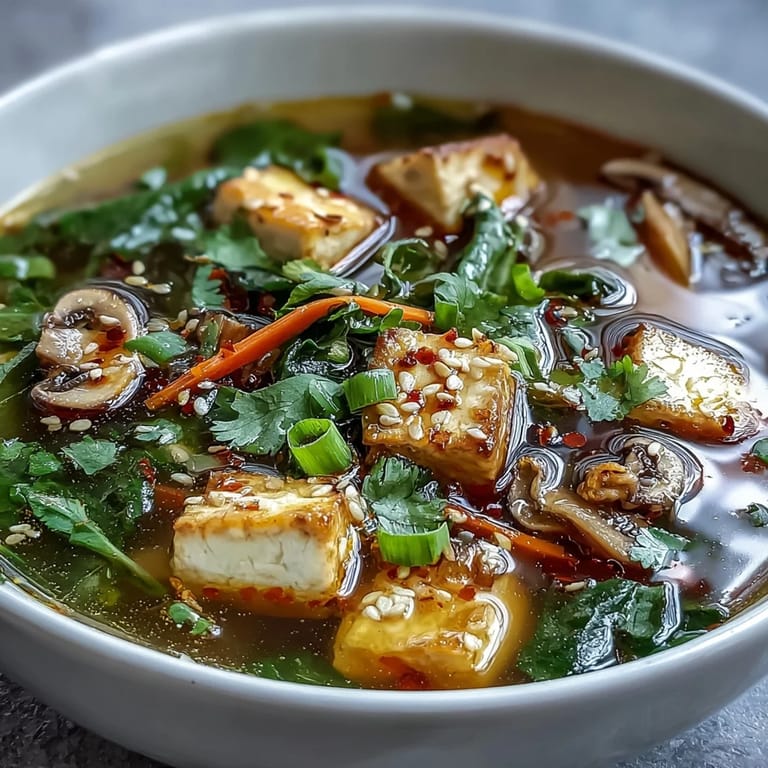
Save There's something about January that makes me crave bowls of warming broth, and one gray afternoon, I found myself standing in front of my pantry with a chunk of fresh ginger in one hand and a container of miso in the other. I wasn't following a recipe so much as chasing a feeling, that sense of needing something light but deeply nourishing. The result was this ginger-miso soup, which has since become my go-to remedy for those days when the weather turns sharp and my body asks for something that feels both gentle and grounding.
I made this soup for my sister the first time she came to visit after moving across the country, and watching her face soften as she tasted it told me everything I needed to know. She asked for the recipe before she'd finished the bowl, and now she texts me photos of her own versions from her kitchen three time zones away. It's become our small ritual, a way of staying close across the miles.
Ingredients
- Water or low-sodium vegetable broth (6 cups): The foundation matters more than you'd think; I use broth when I want extra flavor complexity, water when I'm letting the ginger and miso take center stage.
- Fresh ginger (2-inch piece, thinly sliced): Don't peel it unless you hate the slight texture, and make sure it's sliced thin enough to infuse quickly without overpowering the delicate balance of the soup.
- Garlic cloves (2, thinly sliced): Thin slices cook faster and distribute their warmth evenly throughout the broth rather than settling in one corner of the pot.
- White or yellow miso paste (2 tablespoons): This is where the umami magic lives; the paste needs to stay out of boiling water or you'll lose the live cultures that make miso worth using in the first place.
- Napa cabbage (1 cup, thinly sliced): Its mild sweetness balances the sharp ginger, and it wilts just enough to become tender without disappearing entirely.
- Carrot (1 medium, julienned): The thin cut means it cooks through in minutes and adds a subtle sweetness that rounds out the soup's flavor.
- Shiitake mushrooms (1 cup, stemmed and sliced): These bring an earthy depth that makes the broth taste like it's been simmering all day, even though it hasn't.
- Scallions (2, sliced): Save these for garnish and add them right before serving so they stay bright and crisp against the warm broth.
- Toasted sesame seeds (1 tablespoon): Toast them yourself if you have time; the smell alone is worth the two minutes it takes, and they taste sharper and more alive than pre-toasted versions.
- Fresh cilantro or parsley (1 tablespoon, chopped): Optional but worth it if you want a fresh green note that cuts through the richness of the umami.
- Chili oil or chili flakes: A drizzle adds complexity and warmth without overwhelming; start small and taste as you go.
- Silken tofu (200 g, cubed, optional): It adds protein and a gentle texture that makes the soup feel more substantial without weighing it down.
- Cooked soba or rice noodles (100 g, optional): Noodles transform this from a light soup into something that could almost be a full meal, depending on your hunger and the season.
Tired of Takeout? 🥡
Get 10 meals you can make faster than delivery arrives. Seriously.
One email. No spam. Unsubscribe anytime.
Instructions
- Build your foundation:
- Pour the water or broth into a large pot and turn the heat to medium, letting it come to a gentle simmer rather than a rolling boil. This matters because you're about to infuse it with delicate flavors, and a gentle approach lets them bloom instead of scatter.
- Infuse with aromatics:
- Add the sliced ginger and garlic, watching as the broth turns pale golden and smells like warmth itself. Let it simmer for the full 10 minutes so the ginger's bite mellows into something comforting rather than sharp.
- Add winter vegetables:
- Slide in the napa cabbage, carrot, and shiitake mushrooms, which will soften and release their flavors into the broth within minutes. You're aiming for tender but still with a slight bite, so start tasting around the 5-minute mark.
- Temper your miso:
- Remove the pot from heat and scoop the miso paste into a small bowl, then ladle in some of the hot broth and whisk until it's completely smooth before stirring it back into the soup. This step is the secret to keeping the miso's probiotic benefits intact and preventing lumpy paste from floating in your bowl.
- Finish with warmth:
- If you're adding tofu or noodles, stir them in now and let them warm through for just 2 minutes so they don't overcook. The goal is a bowl that feels complete without anything being overdone.
- Serve with intention:
- Ladle the soup into bowls and scatter the garnishes on top just before serving, so the sesame seeds stay toasted, the scallions stay green, and everything tastes as fresh as it should. The chili oil goes on at the very end, a personal choice that each person can make for themselves.
 Save
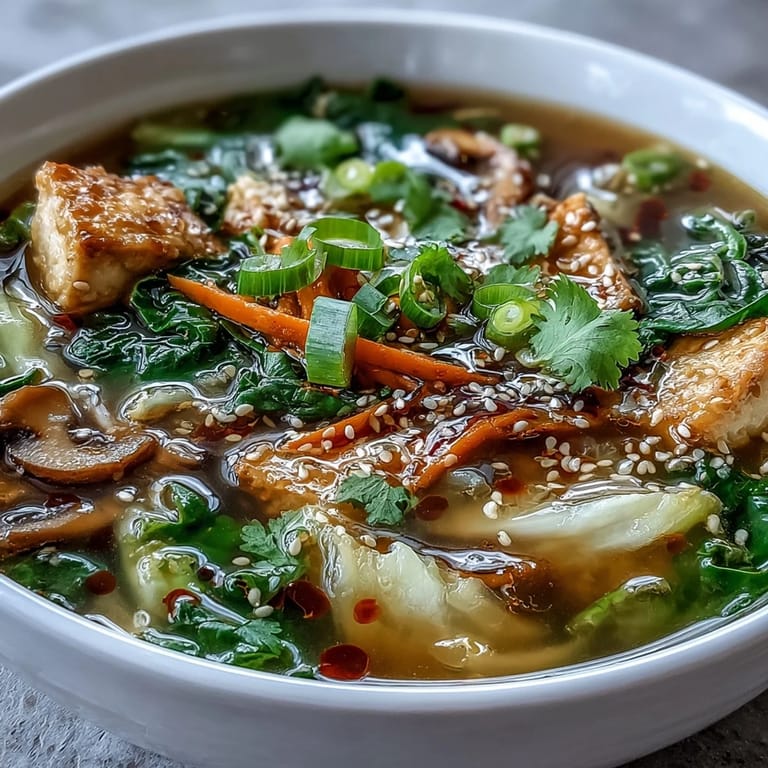
Save My favorite thing about this soup is how it somehow feels both simple and intentional, like you're doing something good for your body without having to think too hard about it. It's the kind of meal that makes you feel cared for, whether you're making it for yourself on a quiet evening or serving it to someone you want to show up for.
The Art of Infusion
I learned the hard way that patience during the infusion step matters more than rushing to add vegetables. The first time I made this, I added everything at once and ended up with a soup that tasted like isolated flavors rather than a cohesive whole. Now I let the ginger and garlic have at least 10 minutes alone in the broth, and the difference is striking.
Flexibility Without Losing Your Way
One of the gifts of this soup is that it invites improvisation without demanding perfection. I've made it with whatever mushrooms I could find, swapped napa cabbage for bok choy, added spinach when I had it, and each version felt right in its own way. The miso and ginger anchor everything, so the soup stays true to itself no matter what vegetables you're working with.
Making It Your Own
What started as an instinctive afternoon of cooking has become a canvas for my moods and what's in my kitchen. On days when I'm hungry, I add noodles and tofu and it becomes a full meal. On other days, I keep it spare and let the broth shine, sitting with the heat of the bowl between my hands while the world outside stays cold.
- Taste as you go, especially with the miso; you can always add more, but you can't take it back once it's in.
- Ginger strength varies wildly depending on where you bought it and how long it's been sitting in your pantry, so adjust the amount based on what you're in the mood for.
- This soup tastes even better the next day, which means you can make it ahead and simply reheat gently, adding fresh garnishes right before serving.
 Save
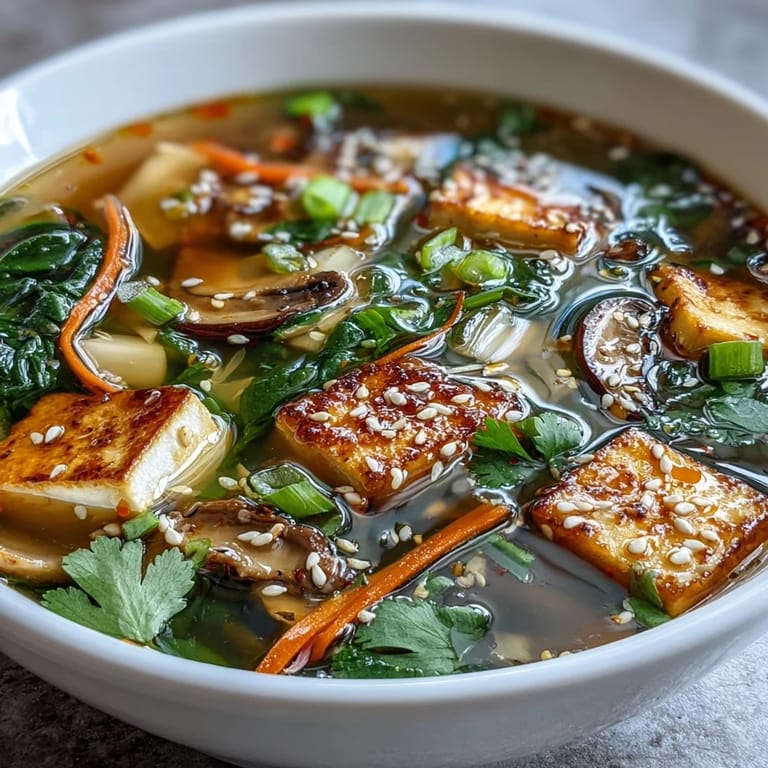
Save This soup has quietly become one of those recipes I return to again and again, not because it's complicated, but because it works. It's honest food that asks for just enough attention to feel intentional, then rewards you with warmth and clarity.
Recipe FAQs
- → Can I use red miso instead of white?
Yes, red miso works well and provides a stronger, deeper flavor. Reduce the amount slightly as it's more intense than white miso.
- → Is this soup freezer-friendly?
The broth and vegetables freeze beautifully, but add miso and fresh garnishes after reheating for the best texture and probiotic benefits.
- → What vegetables can I substitute?
Bok choy, spinach, daikon radish, or kale work beautifully. Use what's in season or what you have on hand for a flexible winter bowl.
- → Can I make this gluten-free?
Absolutely. Use a certified gluten-free miso brand and swap soba noodles for rice noodles or enjoy without grains.
- → How do I store leftovers?
Keep refrigerated in an airtight container for up to 3 days. Reheat gently without boiling to maintain miso's beneficial properties.