 Save
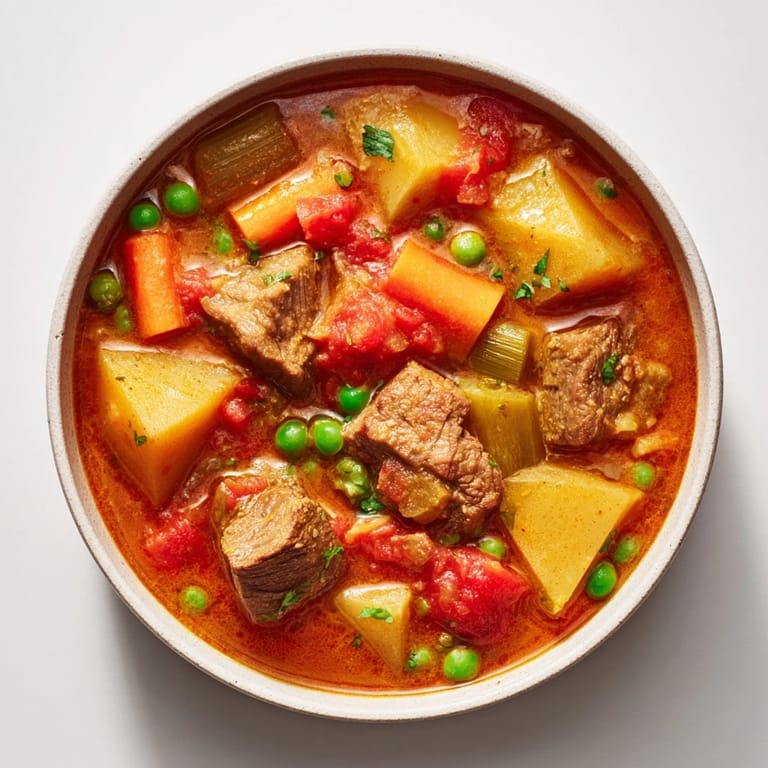
Save I was standing in my kitchen on a Sunday afternoon, staring at a package of beef stew meat I'd bought on impulse, when my neighbor knocked with a bag of carrots from her garden. That's how this soup was born—not from a plan, but from what was already there. The barley was a pantry rescue, something I'd bought months ago and forgotten about. As it simmered, the smell filled every corner of my house, rich and earthy, and I realized I'd stumbled onto something that felt like it had been made a hundred times before.
The first time I made a full batch, I brought it to a friend recovering from surgery. She called me that night and said it was the first thing that had tasted like comfort in weeks. I've made it for potlucks, for myself on rainy evenings, and once for a neighbor who'd just moved in and didn't have their kitchen sorted yet. It's become my go-to when someone needs something warm and filling, no fuss required.
Ingredients
- Beef stew meat: Look for chunks with a little marbling, they'll break down into tender, flavorful bites after simmering and won't dry out.
- Olive oil: Just enough to get a good sear on the beef, which builds the flavor foundation for the whole pot.
- Onion: I use a large one because it melts into the broth and adds a quiet sweetness that balances the savory beef.
- Carrots: Slice them thick so they hold their shape, thin ones turn to mush and lose their bite.
- Celery: It adds a subtle freshness and a bit of crunch even after simmering.
- Garlic: Don't skip this, it wakes up everything else in the pot.
- Russet potato: It breaks down slightly and thickens the broth naturally, making it more hearty.
- Frozen peas: I add these at the end so they stay bright and sweet, not dull and gray.
- Diced tomatoes: The juices add acidity and a little brightness that keeps the soup from feeling too heavy.
- Pearl barley: Rinse it well or it'll make the broth cloudy, and it swells beautifully as it cooks.
- Beef broth: Use good quality if you can, it's the backbone of the whole soup.
- Water: Just enough to loosen things up without diluting the flavor.
- Bay leaves: They add a subtle woodsy note, just fish them out before serving.
- Dried thyme and oregano: These two together smell like a cozy kitchen, earthy and warm.
- Black pepper and salt: Season as you go, taste often, trust your instincts.
- Fresh parsley: Optional but lovely, it adds a pop of color and a clean finish.
Tired of Takeout? 🥡
Get 10 meals you can make faster than delivery arrives. Seriously.
One email. No spam. Unsubscribe anytime.
Instructions
- Brown the Beef:
- Heat the oil until it shimmers, then add the beef in a single layer and let it sit untouched for a couple minutes so it gets a deep golden crust. Flip and brown the other sides, then pull it out and set it aside.
- Soften the Vegetables:
- Toss in the onion, carrots, and celery, stirring them around in the beef drippings until they start to soften and smell sweet. Add the garlic and stir for just a minute, it burns quickly.
- Build the Base:
- Return the beef to the pot along with the potatoes, tomatoes, barley, bay leaves, thyme, oregano, salt, and pepper. Stir it all together so everything gets coated.
- Simmer Low and Slow:
- Pour in the broth and water, bring it to a rolling boil, then drop the heat to low and cover. Let it bubble gently for an hour and a half, stirring now and then to keep the barley from sticking.
- Finish with Peas:
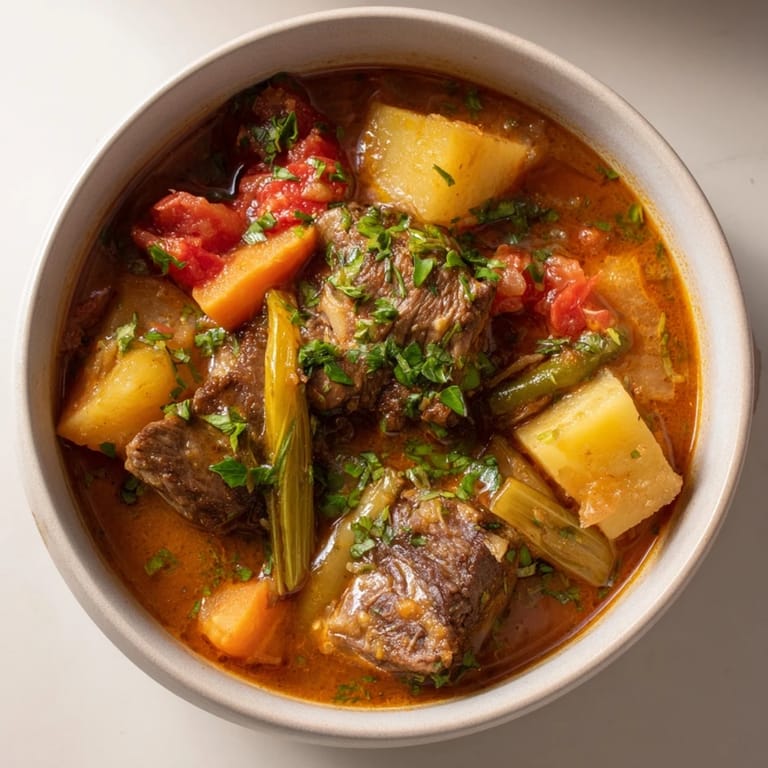
- Toss in the frozen peas during the last ten minutes, taste the broth, and adjust the salt if needed. Pull out the bay leaves, ladle into bowls, and sprinkle with parsley if you like.
 Save
Save One winter evening, I made this for my dad after he'd spent the day clearing snow from the driveway. He sat at the table with his hands wrapped around the bowl, not saying much, just eating slowly and nodding. When he finished, he pushed the bowl away and said, that's the kind of soup that sticks with you. I've thought about that every time I've made it since.
What to Serve with This Soup
I usually set out a basket of crusty bread or sourdough rolls, something sturdy enough to dunk and soak up the broth. A simple green salad with lemon vinaigrette on the side keeps things light, and sometimes I'll put out a little dish of grated Parmesan for anyone who wants to sprinkle some on top. It's a complete meal on its own, but those little extras make it feel like an occasion.
How to Store and Reheat
Let the soup cool completely before transferring it to airtight containers, it'll keep in the fridge for up to three days. The barley will keep absorbing liquid as it sits, so when you reheat it on the stove, add a little broth or water to loosen it back up. You can freeze it for up to two months, just leave a little headroom in the container because it expands, and thaw it overnight in the fridge before reheating.
Ways to Make It Your Own
If you need it gluten-free, swap the barley for brown rice or quinoa and adjust the cooking time accordingly. A splash of Worcestershire sauce or a spoonful of tomato paste will deepen the flavor if you want it richer. I've also stirred in a handful of chopped kale or spinach toward the end for extra greens, and it worked beautifully.
- Try using lamb or turkey instead of beef for a different spin.
- Add a pinch of smoked paprika if you want a hint of smokiness.
- Toss in a Parmesan rind while it simmers for an extra layer of umami.
 Save
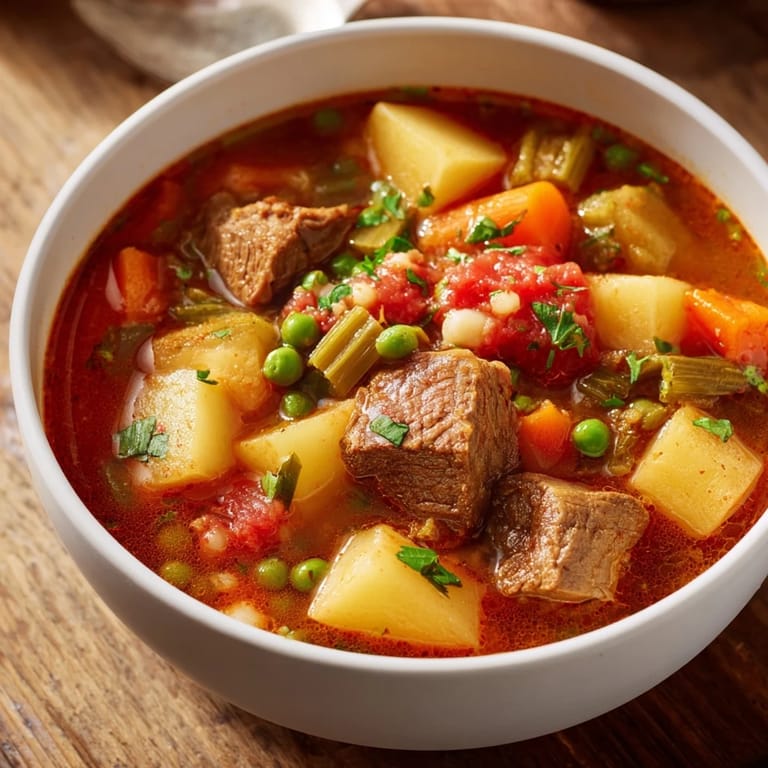
Save This soup has become my cold-weather anchor, the thing I make when I need something that feels like home. I hope it finds a place in your kitchen too.
Recipe FAQs
- → What cut of beef is best for hearty soups?
Beef stew meat or chuck cut into cubes works well as it becomes tender during long simmering.
- → Can barley be substituted in this dish?
Yes, brown rice or quinoa can replace barley for those avoiding gluten.
- → How long should the soup simmer?
Simmer for about 1½ hours to allow flavors to develop and beef to tenderize.
- → When should frozen peas be added?
Add frozen peas during the last 10 minutes of cooking to keep their color and texture.
- → What herbs enhance the flavor of this soup?
Dried thyme, oregano, and fresh parsley bring depth and freshness to the broth.
- → Any tips for thicker broth consistency?
Simmer uncovered near the end to reduce liquid or slightly increase barley quantity.