 Save
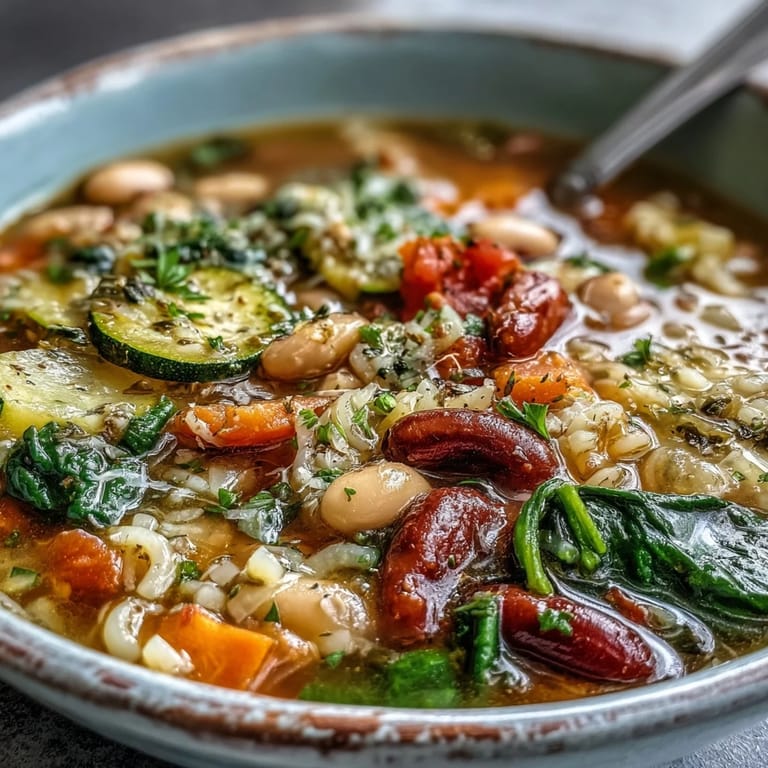
Save The cold autumn rain tapped against my kitchen window as I rummaged through my vegetable drawer, searching for inspiration. I'd just returned from visiting my Italian grandmother, who had filled me with stories of her childhood minestrone - a soup that changed with the seasons but always brought comfort. Standing there with an armful of vegetables, I could almost hear her saying 'waste nothing, love everything.' That evening, my first homemade minestrone simmered on the stove, steam fogging the windows as the aroma of herbs and vegetables transformed my apartment into a sanctuary against the gathering darkness outside.
Last winter when my neighbor was recovering from surgery, I brought over a container of this minestrone with some crusty bread. Weeks later, she confessed she had dreamed about the soup and asked if I would teach her to make it. We spent an afternoon chopping vegetables, laughing about how different our dicing techniques were, and sharing stories as the pot bubbled away. Now whenever I make this soup, I think of her kitchen and how food creates invisible threads between homes and hearts.
Ingredients
- Vegetables (onion, celery, carrots, zucchini, green beans, spinach): The foundation of any good minestrone, I've learned that the order and timing of adding each vegetable preserves their individual textures and flavors.
- Cannellini beans: These creamy white beans add substantial protein and a velvety texture that transforms the broth into something truly satisfying.
- Small pasta: I prefer ditalini as they hold their shape without becoming mushy, creating perfect little pockets that capture the broth in each bite.
- Herbs (oregano, basil, thyme, bay leaf): These aren't just seasonings but the soul of the soup, particularly the bay leaf which adds a subtle depth that you'll miss if you forget to include it.
- Tomato paste: Just two tablespoons create an umami-rich backbone that anchors all the vegetable flavors together.
Tired of Takeout? 🥡
Get 10 meals you can make faster than delivery arrives. Seriously.
One email. No spam. Unsubscribe anytime.
Instructions
- Build the flavor base:
- Heat olive oil in a large pot over medium heat and add your diced onion, celery, and carrots. Watch as they slowly soften and release their sweetness, about 5 minutes, stirring occasionally so nothing sticks or browns too much.
- Layer in more vegetables:
- Add the garlic, zucchini, and green beans, allowing their fresh aromas to rise up from the pot. Cook for another 3-4 minutes until they begin to soften but still maintain their bright colors.
- Create the broth:
- Pour in the diced tomatoes, tomato paste, vegetable broth, and add the dried herbs and bay leaf. The liquid will quickly take on a beautiful reddish-orange hue as it comes to a gentle boil, then reduce the heat and let everything simmer for 15 minutes, allowing the flavors to meld together.
- Add the hearty elements:
- Stir in the pasta and beans, watching carefully as the pasta cooks to maintain that perfect al dente texture, about 10 minutes. The beans will begin absorbing the flavorful broth, becoming tender little treasures throughout the soup.
- Finish with freshness:
- Add the spinach or kale and chopped parsley, stirring just until the greens wilt and turn vibrant. These last-minute additions bring a fresh burst of color and nutrition to your creation.
- Final touches:
- Remove the bay leaf (always count how many you put in!) and season with salt and pepper to your liking. The soup should taste balanced - neither bland nor overly salty, but alive with herb and vegetable flavors.
 Save
Save My friend Marco, whose family comes from northern Italy, tasted my minestrone during a casual dinner party and grew suddenly quiet. When I asked if something was wrong, he looked up with misty eyes and said it tasted exactly like his late mothers recipe. We spent the rest of the evening talking about food memories while everyone had seconds and thirds, the soup becoming a bridge to stories I might never have heard otherwise. Its these unexpected moments that remind me why cooking for others matters so deeply.
Seasonal Adaptations
Through years of making this soup across seasons, Ive discovered its incredible versatility. Summer versions sing with fresh tomatoes, tender young zucchini, and basil from my windowsill garden. Fall minestrone welcomes butternut squash and kale, while winter variations might include potatoes and cabbage that store well through the cold months. Spring brings the delight of fresh peas, asparagus tips, and young spinach leaves that require barely any cooking time.
Storage and Reheating
Minestrone develops deeper flavors overnight, making it one of those rare dishes that improves with time. I often make a double batch specifically to have leftovers, storing portions in glass containers rather than plastic to prevent the tomato from staining. When reheating, I add a small splash of fresh broth or even water if the soup has thickened too much, and finish with a drizzle of good olive oil to revive the flavors.
Serving Suggestions
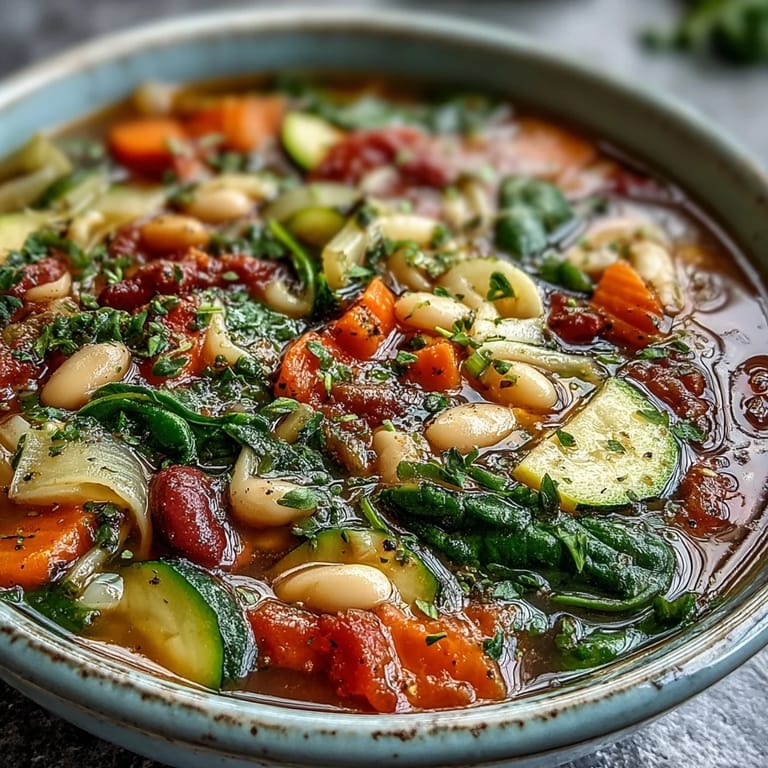
The way you serve minestrone can transform it from a simple soup to a complete dining experience. I learned this watching my Italian friend ceremoniously grate aged Parmigiano-Reggiano over each bowl, explaining that the cheese not only adds flavor but also melts slightly into the hot soup creating little threads of saltiness throughout each spoonful.
- For a complete meal, serve with slices of crusty sourdough bread that has been lightly brushed with olive oil and toasted until golden.
- A simple side salad of bitter greens dressed with lemon juice and olive oil provides a bright contrast to the rich soup.
- Keep extra grated cheese, red pepper flakes, and good olive oil at the table so everyone can customize their bowl to taste.
 Save
Save This minestrone isnt just a recipe to me anymore, but a practice in mindfulness and connection. Each chopped vegetable, each stirring of the pot becomes a moment to slow down and appreciate the simple act of creating nourishment with my own hands.
Recipe FAQs
- → What pasta works best in minestrone?
Small shapes like ditalini, elbows, or small shells catch the broth and vegetables perfectly. These sizes cook evenly and fit well on a spoon with the other ingredients.
- → Can I make this gluten-free?
Absolutely. Simply swap regular pasta for gluten-free varieties and ensure your vegetable broth is certified gluten-free. The flavor and texture remain excellent.
- → How long does minestrone keep?
Store in an airtight container for up to 4 days. The pasta will absorb more liquid over time, so you may want to add extra broth when reheating. It also freezes well for up to 3 months.
- → What vegetables can I substitute?
This dish is wonderfully flexible. Try butternut squash, bell peppers, or green peas. Seasonal vegetables work beautifully—just adjust cooking times so everything finishes tender.
- → Is this suitable for meal prep?
Excellent for batch cooking. Make a full pot on Sunday and portion throughout the week. The flavors actually improve after a day or two as the ingredients meld together.
- → Can I add protein?
While cannellini beans provide protein, you can add shredded chicken or ground beef during the simmering stage. For plant-based options, try lentils or extra beans.