 Save
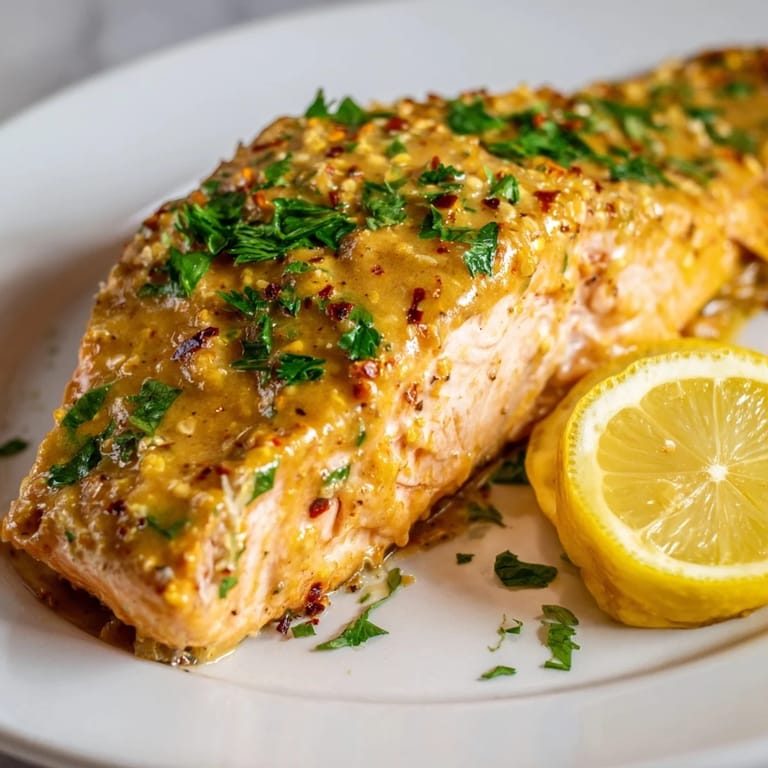
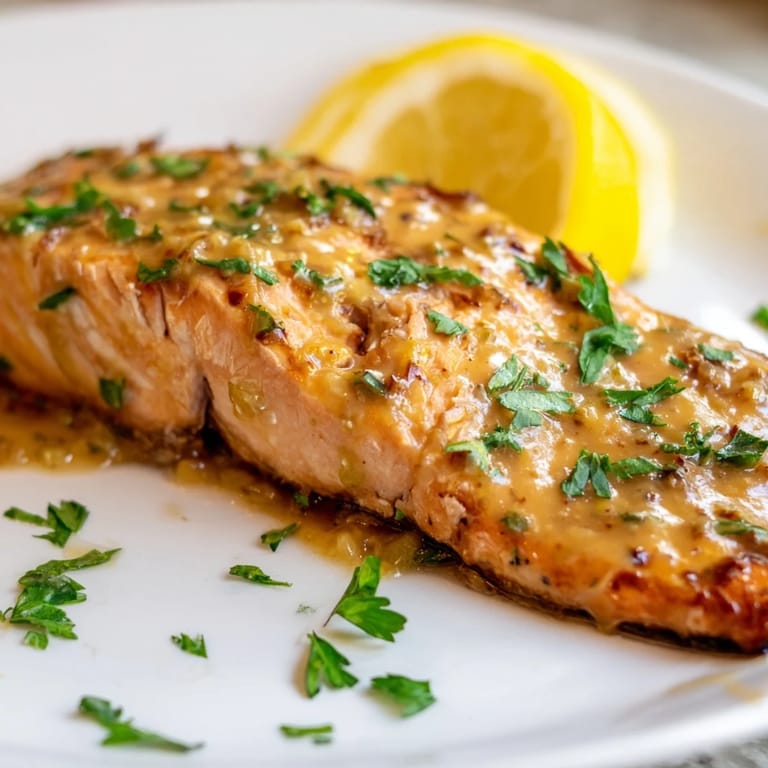
Save My neighbor brought over a bottle of local honey one autumn evening, and I found myself standing in the kitchen at 6 PM with four salmon fillets and no dinner plan. I grabbed a jar of Dijon mustard from the back of the fridge, mixed it with that golden honey, and something magical happened—the sweetness balanced the mustard's sharp bite in a way that made me pause mid-stir. Twenty minutes later, the salmon was flaking off the skin, golden and glistening, and she asked for the recipe before even sitting down.
I've made this dozens of times now, but the moment that stuck with me was cooking it for my sister's first dinner in her new apartment. She stood by the oven watching the salmon turn from pale pink to that beautiful coral, and when she tasted it, she got quiet for a second—not in a bad way, just that surprised-by-simple-goodness kind of quiet. It became the dish she requests whenever I visit.
Ingredients
- Salmon fillets (6 oz each, 4 pieces): Look for fillets that feel firm and smell like the ocean, not fishy—that's the sign of freshness your fishmonger might not tell you.
- Dijon mustard (3 tbsp): The sharper, more sophisticated sibling to yellow mustard, it's what keeps this sauce from tasting like bottled barbecue.
- Whole grain mustard (2 tbsp): Those little seeds give texture and a gentler, almost sweet mustard flavor that rounds everything out.
- Honey (3 tbsp): Use the good stuff if you have it—the flavor difference between grocery store and farmer's market honey is honestly noticeable here.
- Olive oil (1 tbsp): Just enough to carry the flavors and help the sauce cling to the fish without making it greasy.
- Lemon juice (1 tbsp): Fresh squeezed makes a difference; bottled tastes thin by comparison.
- Garlic (2 cloves, minced): Raw garlic mingles with the heat of the oven and becomes sweet and mellow, never harsh.
- Salt and black pepper: Season to your taste—I learned the hard way that underseasoning salmon leaves it tasting flat no matter how good the sauce is.
- Fresh parsley (1 tbsp, optional): The green brings freshness and a hint of brightness that makes the plate look alive.
- Lemon wedges: For squeezing at the table, a little insurance policy against any regret.
Tired of Takeout? 🥡
Get 10 meals you can make faster than delivery arrives. Seriously.
One email. No spam. Unsubscribe anytime.
Instructions
- Set your oven to work:
- Preheat to 400°F and line your baking sheet with parchment paper if you have it—not necessary, but it means zero cleanup and your salmon won't stick. If you're greasing instead, use a light hand.
- Make the magic sauce:
- In a small bowl, whisk the two mustards, honey, olive oil, lemon juice, minced garlic, salt, and pepper together until it's smooth and thick enough to coat the back of a spoon. Taste it straight from the whisk—it should make your mouth do that pinched-face thing from the mustard, then relax into sweetness.
- Prepare your salmon:
- Pat each fillet dry with paper towels; this is the step people skip and then wonder why their salmon steams instead of bakes. Arrange them skin-side down on the baking sheet, giving each one a little breathing room.
- Coat with intention:
- Spoon the sauce over each fillet, using the back of the spoon to spread it in an even layer. Don't be shy—this isn't a light drizzle, it's a proper coating that'll caramelize slightly as the salmon bakes.
- Let the oven do the work:
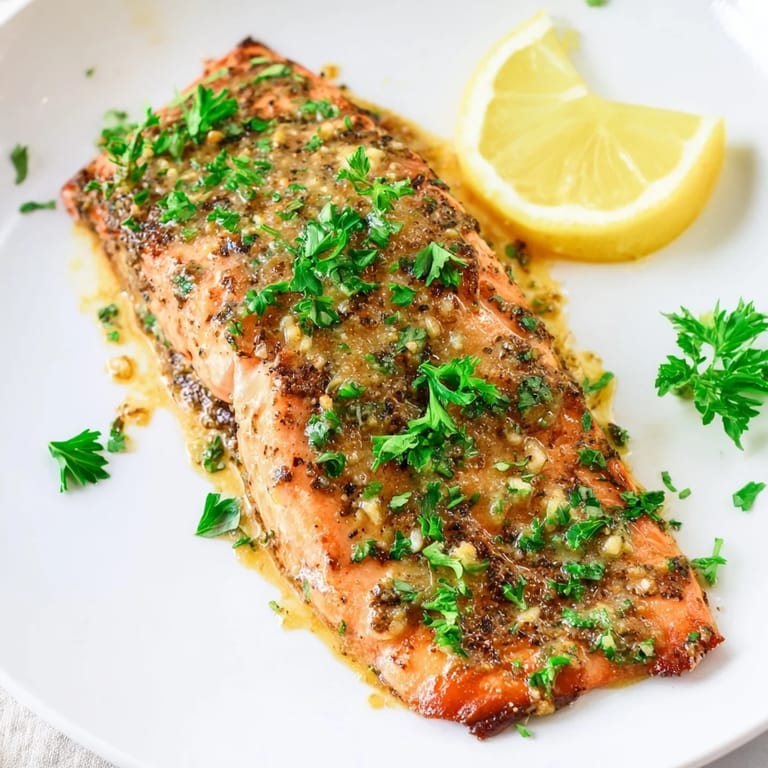
- Bake for 15 to 20 minutes, depending on how thick your fillets are. The salmon is done when it flakes easily with a fork and the center is opaque, not translucent—there's no coming back from overcooked salmon, so start checking at 15 minutes.
- Finish and serve:
- Scatter parsley over the top if you're using it, and serve with lemon wedges so people can adjust the tartness to their liking. Some will squeeze, some won't—both are right.
 Save
Save The thing about this dish is how it changed my weeknight confidence. Before this recipe, I'd overthink salmon—worried I'd dry it out or that store-bought sauce would taste commercial. Now it's the thing I make when I want to feel capable but not stressed, when I want dinner to be quietly impressive.
Why This Sauce Works
The genius of honey mustard isn't that it's complicated—it's that two mustards do the heavy lifting while honey softens the blow and adds a subtle caramel note during baking. The garlic and lemon keep it from becoming one-note sweet, and the olive oil makes it glossy and rich without being heavy. I tried making this with just Dijon once, and it was sharp enough to make me wince. Then I added honey and suddenly understood why this ratio has existed in kitchens for longer than I've been alive.
What to Serve Alongside
This salmon isn't picky about company. Rice soaks up the sauce beautifully, quinoa adds a nutty counterpoint, and roasted vegetables—broccoli, Brussels sprouts, asparagus, whatever's in season—give you something to push around the plate between bites. A simple green salad with a light vinaigrette cuts through the richness if you want to feel virtuous. I've also served this over buttered egg noodles when I was in a comfort-food mood, and it was nobody's complaint.
- Rice or quinoa absorbs every drop of that honey mustard glaze.
- Roasted vegetables add color and texture without competing for attention.
- A crisp salad or steamed green beans keep things from feeling heavy.
Variations and Swaps
This recipe is flexible enough to bend to what's in your pantry. Use yellow mustard instead of Dijon if you prefer milder flavors—you'll lose some sophistication but gain an almost retro-diner charm. If whole grain mustard isn't on hand, use more Dijon and accept a slight texture change. For a less sweet version, reduce the honey to 2 tablespoons and add another tablespoon of lemon juice for brightness. Some people have made this with maple syrup instead of honey, and while I'm a purist, they seemed happy about it.
 Save
Save This is the kind of recipe that gets better with repetition because you stop thinking and start feeling—you know when the salmon is done by the way it looks, when the sauce is right by how it smells. That's when cooking stops being instructions and becomes something closer to intuition.
Recipe FAQs
- → How do I prevent salmon from drying out?
Ensure not to overbake salmon; remove from oven when flakes easily with a fork but remains moist inside. Applying the honey mustard sauce helps retain moisture.
- → Can I use different types of mustard?
Yes, swapping Dijon mustard for yellow mustard creates a milder flavor. Whole grain mustard adds texture and depth to the sauce.
- → Is it necessary to use skin-on salmon fillets?
Skin-on fillets help keep the fish intact and add flavor, but skinless can be used if preferred; just handle carefully during baking.
- → What sides complement this dish well?
This salmon pairs nicely with rice, quinoa, roasted vegetables, or a crisp fresh salad to balance the sweet and tangy flavors.
- → Can I prepare the sauce ahead of time?
Yes, mixing the honey mustard sauce in advance lets the flavors meld, making it quick to coat the salmon before baking.