 Save
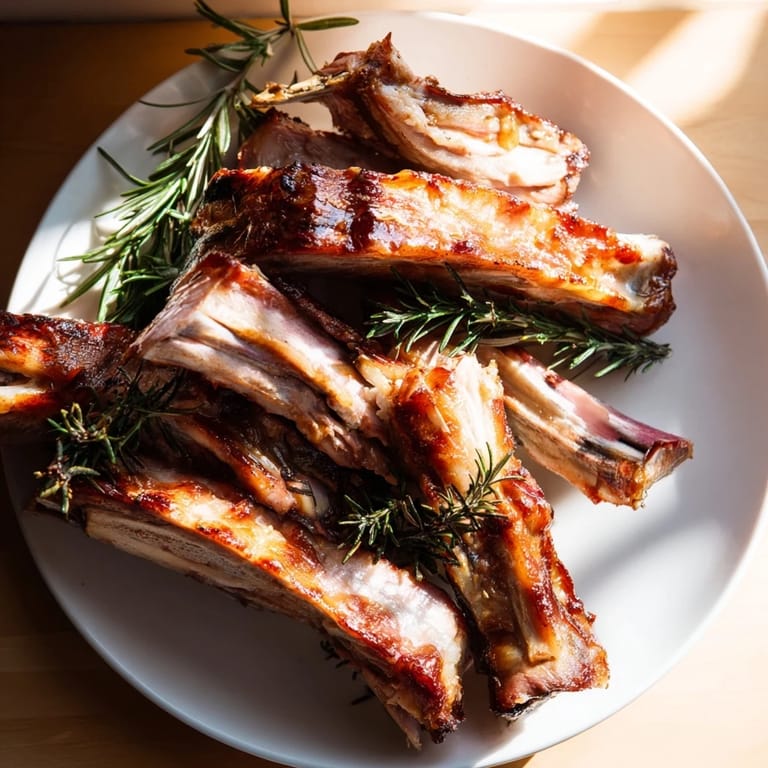
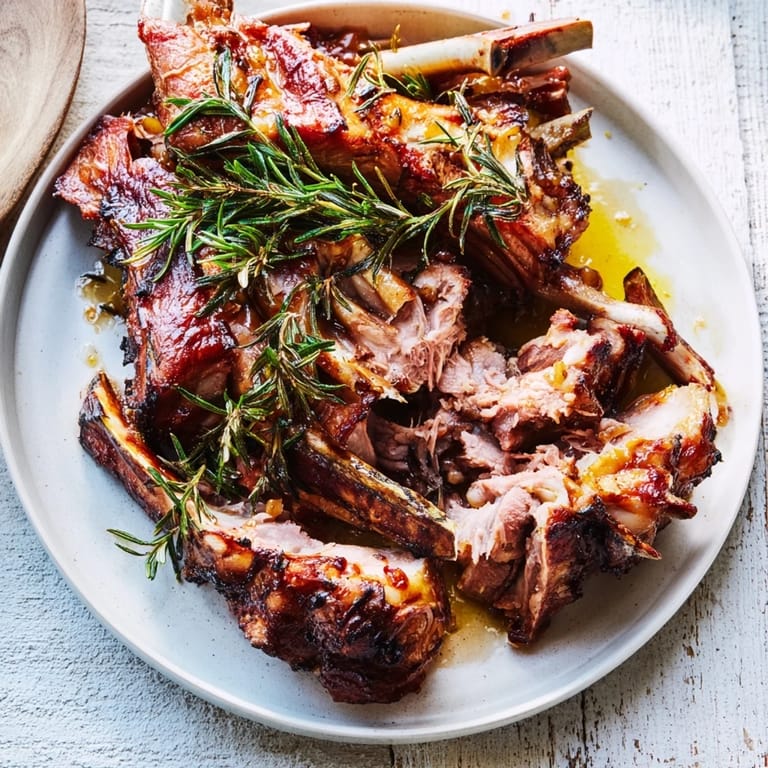
Save The crackling sound of pork skin crisping in a hot oven is one of those kitchen moments that never gets old. I first tackled a pork shoulder on a cold October weekend when I had nowhere to be and all the time in the world. The house filled with the smell of rosemary and slow-cooked meat, and by the time I pulled it out, golden and glistening, I knew I'd found something worth repeating. That first bite, with the tangy cider glaze cutting through the richness, made the wait more than worthwhile.
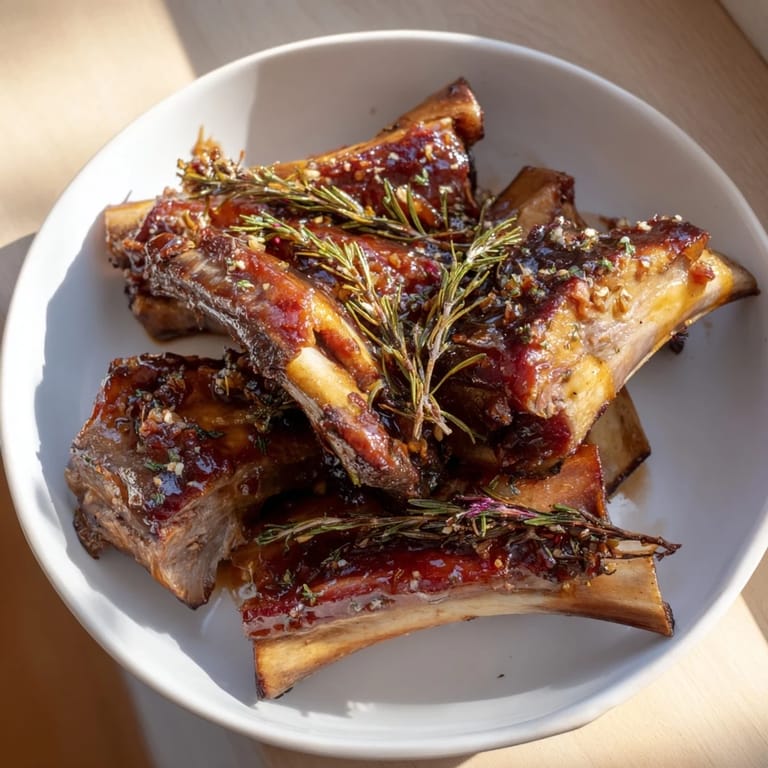
I made this for a small dinner party once, and the compliments started before we even sat down to eat. The smell alone had everyone wandering into the kitchen, asking when it would be ready. When I finally sliced into it and drizzled that glossy glaze over the top, the room went quiet for a few bites. One friend called it the best pork she'd ever had, and I've been making it for gatherings ever since.
Ingredients
- Bone-in pork shoulder: The bone adds flavor and helps the meat stay moist during the long roast, and scoring the skin ensures it crisps up beautifully.
- Olive oil: A good rub of oil helps the seasoning stick and encourages that golden, crackling exterior.
- Kosher salt and black pepper: Simple seasoning is all you need to let the pork shine, just be generous with it.
- Onion and garlic: These aromatics roast underneath the pork, infusing the pan juices with sweetness and depth.
- Fresh rosemary and thyme: Woody herbs stand up to the long cooking time and perfume the meat as it roasts.
- Apple cider: The base of the glaze, it reduces down into a concentrated, fruity sweetness that balances the richness of the pork.
- Apple cider vinegar: Adds a sharp tang that keeps the glaze from being too sweet.
- Dijon mustard: Brings a subtle heat and complexity to the glaze that ties everything together.
- Light brown sugar: Helps the glaze caramelize and adds a gentle molasses note.
- Unsalted butter: Whisked in at the end, it gives the glaze a silky, glossy finish.
Tired of Takeout? 🥡
Get 10 meals you can make faster than delivery arrives. Seriously.
One email. No spam. Unsubscribe anytime.
Instructions
- Prep the pork:
- Pat the pork shoulder completely dry with paper towels, then rub it all over with olive oil, salt, and pepper. Drying it first is key to getting that crackling skin.
- Build the aromatics bed:
- Scatter the onion quarters, smashed garlic, rosemary, and thyme across the bottom of your roasting pan. Nestle the pork on top, skin side up, so it can drip flavor into the pan as it cooks.
- Slow roast:
- Roast at 300°F for 4 hours, basting with the pan juices every hour. The low and slow heat breaks down the tough connective tissue and turns it meltingly tender.
- Make the glaze:
- While the pork roasts, combine the cider, vinegar, mustard, brown sugar, and pepper in a saucepan. Simmer until it reduces by half and coats the back of a spoon, then whisk in the butter for shine.
- Finish with heat:
- Crank the oven to 425°F, brush the pork generously with glaze, and roast for another 20 to 30 minutes. Brush again halfway through until the skin is deep golden and caramelized.
- Rest and serve:
- Let the pork rest loosely covered with foil for 20 minutes before slicing or shredding. Drizzle with the remaining warm glaze and watch it disappear.
 Save
Save There was a Sunday afternoon when I made this and invited my parents over, and my dad, who rarely comments on food, asked for seconds and then the recipe. That moment, watching him go back for more, reminded me that good food doesn't need to be complicated to be memorable. It just needs to be made with care and shared with the right people.
How to Get Perfect Crackling
The secret to crackling that shatters when you bite it is moisture control and high heat at the end. Make sure the skin is completely dry before it goes in the oven, and don't cover the pork during roasting or the steam will soften the skin. That final blast at 425°F is what transforms it from tender to crispy, so don't rush it. If you want extra insurance, hit it with the broiler for two to three minutes at the very end, watching closely so it doesn't burn.
What to Serve Alongside
This pork pairs beautifully with anything that can soak up the glaze or balance the richness. I love serving it with creamy mashed potatoes, roasted root vegetables tossed in olive oil, or a crisp apple slaw for contrast. The glaze is so good you'll want something to mop it up with, so crusty bread or soft dinner rolls are always a smart addition. Keep the sides simple and let the pork be the star.
Storage and Leftovers
Leftovers keep beautifully in the fridge for up to four days, and they reheat surprisingly well without drying out. I like to shred any leftover pork and toss it with a bit of the glaze, then pile it onto sandwiches or tacos. You can also freeze the cooked pork in an airtight container for up to three months, just thaw it overnight in the fridge before reheating. The glaze can be stored separately and gently rewarmed on the stovetop when you're ready to use it again.
- Reheat sliced pork in a low oven covered with foil to keep it moist.
- Use leftover pork in grain bowls, pasta, or scrambled eggs for quick weeknight meals.
- If the skin loses its crispness after storing, pop it under the broiler for a minute to bring it back to life.
 Save
Save This recipe has become one of those dishes I turn to when I want to feel like I've really cooked, without spending all day in the kitchen. The oven does most of the work, and you get to take all the credit.
Recipe FAQs
- → What is the best way to prepare the pork shoulder before roasting?
Pat the pork shoulder dry, then rub it evenly with olive oil, kosher salt, and freshly ground black pepper for optimal seasoning and crust formation.
- → How long should the pork shoulder be slow-roasted?
Roast at a low temperature of 300°F (150°C) for about 4 hours, basting hourly to keep the meat moist and flavorful.
- → How is the cider glaze made?
Simmer apple cider, cider vinegar, Dijon mustard, brown sugar, and black pepper until reduced by half and thickened, then whisk in butter for a smooth finish.
- → What is the purpose of the final high-heat roasting step?
Raising the oven to 425°F (220°C) and brushing on the glaze crisps the skin and caramelizes the flavors, enhancing texture and taste.
- → Can I make the skin extra crispy?
Yes, finishing the pork under a broiler for 2-3 minutes after glazing adds an extra crispy and golden crust.
- → What sides pair well with this pork dish?
Serve with roasted root vegetables, mashed potatoes, or crisp apple slaw to complement the sweet and savory flavors.