 Save
Save My neighbor handed me a jar of homemade sauerkraut one autumn afternoon, insisting I'd love what she did with warm apples and a skillet. Skeptical at first—I wasn't sure tangy fermented cabbage belonged anywhere near fruit—I tried her version that evening and discovered something unexpected: the sweetness of caramelized apples softening against the sharp, probiotic punch created this moment of balance that felt almost meditative to eat. Now whenever I smell apples hitting hot oil, I think of that conversation on her porch and how willingness to be surprised in the kitchen opens doors.
I've made this dish twice now for potlucks where everyone brought heavy casseroles, and watching people go back for seconds of something bright and alive felt validating. One guest asked if it was "that trendy fermented thing," and when I said yes, she laughed and admitted it was her favorite thing there—no guilt, just genuine pleasure in flavors that felt different.
Ingredients
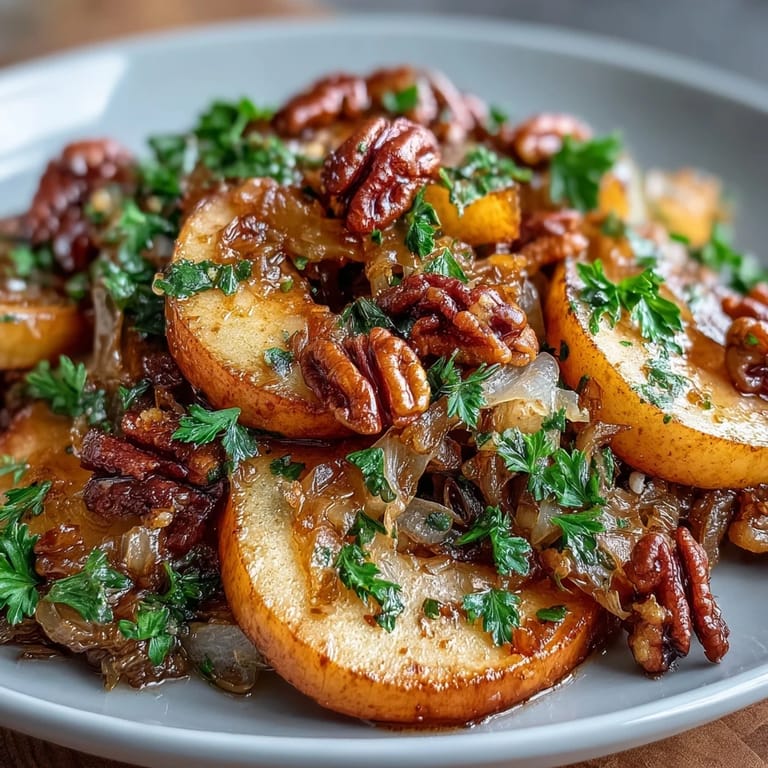
- 2 medium apples (Honeycrisp or Gala): These varieties have enough structure to hold their shape when sautéed without turning to mush, and their natural sweetness balances the fermented tang without needing added sugar.
- 1 small red onion: Thinly sliced, it softens into jammy sweetness and adds visual depth—white onions work too, but red ones make the skillet prettier and taste slightly less sharp.
- 2 cups fresh sauerkraut, drained: Use refrigerated sauerkraut from the produce section rather than canned when possible; it has more probiotic life and better texture, though you'll want to drain it well so the skillet doesn't become watery.
- 2 tbsp olive oil: This is your cooking base, and quality matters here since the fat carries the flavors—use something you'd actually taste in a salad.
- 1 tbsp apple cider vinegar: A small amount amplifies the sauerkraut's tanginess without making the dish one-note sour; it's the difference between balance and puckering.
- 1 tsp honey or maple syrup: Just enough to round the sharp edges and help the apples caramelize, not enough to make this taste dessert-like.
- ½ tsp caraway seeds: Optional but genuinely transformative if you use them—they add an earthy, slightly anise-forward note that ties the German-inspired flavors together, though it's fine to skip if they're not in your pantry.
- ¼ tsp freshly ground black pepper and salt to taste: Freshly ground pepper makes a real difference in brightness here; skip the pre-ground stuff if you can.
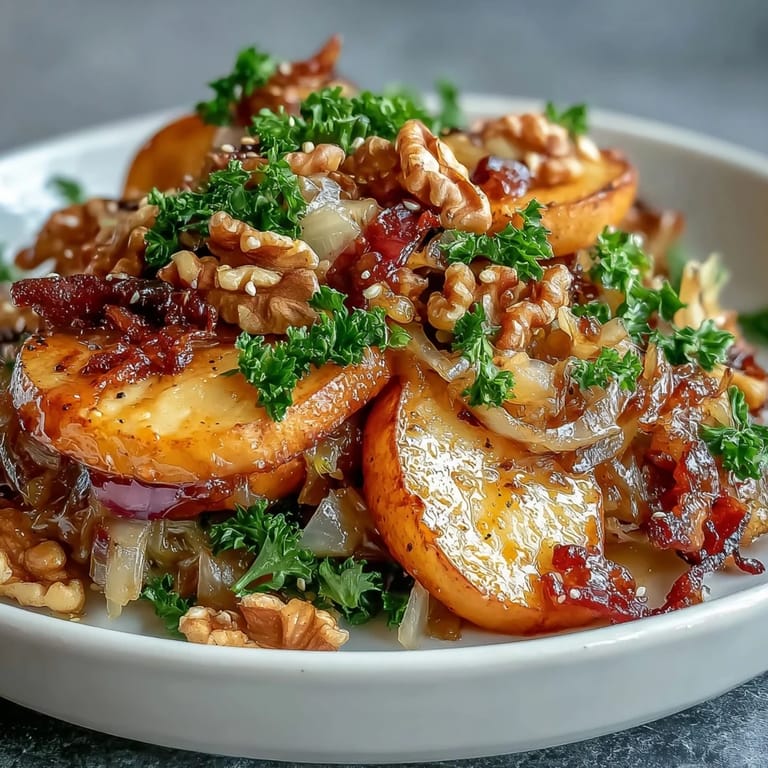
- 2 tbsp chopped fresh parsley and ¼ cup toasted nuts: These are your finishing flourishes—parsley adds green freshness, while toasted walnuts or pecans contribute a textural contrast and a hint of earthiness.
Tired of Takeout? 🥡
Get 10 meals you can make faster than delivery arrives. Seriously.
One email. No spam. Unsubscribe anytime.
Instructions
- Warm your skillet and get the apples going:
- Heat olive oil in a large skillet over medium heat until it shimmers slightly, then add your sliced apples and red onion. Stir occasionally for five to six minutes, listening for the gentle sizzle and watching as the apples develop golden edges and the onion turns translucent and tender.
- Toast the caraway seeds if you're using them:
- Add caraway seeds to the warm skillet and let them sit for about a minute, releasing their toasted, slightly licorice-like aroma. This quick step awakens their flavor and distributes it throughout the dish.
- Bring in the sauerkraut and toss it together:
- Add your drained sauerkraut to the skillet along with apple cider vinegar, honey or maple syrup, and black pepper. Toss gently for two to three minutes—you're not trying to break down the sauerkraut, just warm it through and let all the flavors mingle.
- Taste and adjust:
- Remove the skillet from heat and taste a bite. If it needs salt, add just a pinch—sauerkraut already carries salt, so go slowly.
- Plate it and finish:
- Transfer everything to a serving platter or bowl, scatter chopped parsley and toasted nuts across the top, and serve while still warm, when the apples are tender but the sauerkraut still has a slight crunch.
 Save
Save There was an evening when my partner came home during the last minute of cooking, and the smell of caramelized apples mixed with warm sauerkraut stopped him in the doorway—he actually closed his eyes and inhaled before asking what I was making. We sat down and ate it straight from the skillet because it was too good to plate, and somehow that moment, that unplanned coziness, turned this simple dish into something memorable.
Why Warm Apples and Sauerkraut Are a Kitchen Chemistry Lesson
Heat does something beautiful to both apples and sauerkraut: it softens their intensity while bringing out layers you didn't know existed. Apples lose their raw crispness and develop this jammy sweetness, while sauerkraut's sharp fermented bite mellows just enough to feel approachable without losing its personality. Together in a warm skillet, they create a texture and flavor balance that cold versions simply can't achieve—it's proof that sometimes temperature is the secret ingredient.
Variations and Ways to Make It Your Own
This dish is genuinely flexible, which is why it's earned a spot in my regular rotation. You can swap apple varieties based on what's in season or available—Granny Smith apples will push the tartness higher if you want something more vinegary, while sweeter varieties like Gala add more caramel notes. It works beautifully alongside grilled sausages or smoked tofu if you want to bulk it into a main course, or serve it at room temperature as a composed salad if you're making it ahead for a picnic.
Making It Work for Your Dietary Needs
This recipe is naturally vegetarian and gluten-free, which makes it an easy addition to shared meals where dietary needs vary. If you're vegan, maple syrup replaces honey without changing anything else. The tree nut garnish is completely optional, so if you're cooking for people with nut allergies, simply skip the walnuts or pecans and let the dish shine on its own.
- Always check your sauerkraut label for added ingredients or hidden allergens, especially if using store-bought versions.
- You can make this an hour ahead and reheat gently in the skillet over low heat, though it tastes best served immediately after cooking.
- If you find yourself with leftovers, they actually improve slightly overnight as the flavors deepen, making this a rare salad that's even better the next day.
 Save
Save This dish has quietly become the side I reach for when I want something that feels nourishing and tastes exciting without requiring much time or technique. It's the kind of recipe that reminds you that simple ingredients, when treated with attention, create moments worth savoring.
Recipe FAQs
- → What type of apples work best?
Honeycrisp or Gala apples offer excellent balance, but Granny Smith adds extra tartness while sweeter varieties like Fuji or Pink Lady provide natural sweetness to complement the tangy sauerkraut.
- → Can I make this ahead?
This dish tastes best served warm, but you can prepare the ingredients in advance. The apple and onion mixture can be sautéed ahead and reheated, then combine with sauerkraut just before serving.
- → Is this suitable for meal prep?
Yes, it stores well in the refrigerator for 3-4 days. Reheat gently in a skillet or microwave, though the texture will be softer than freshly made. Add garnishes like parsley and nuts just before serving.
- → What can I serve alongside this?
This pairs beautifully with grilled bratwurst, roasted chicken, or German potato salad. It also complements roasted vegetables, crusty bread, or can be enjoyed as a light vegetarian main.
- → Can I add protein?
Absolutely. Cooked kielbasa, smoked tofu, or even chickpeas can be added during the last few minutes of cooking to transform this into a hearty main dish with extra protein.
- → Is sauerkraut good for you?
Yes, sauerkraut is rich in probiotics that support digestive health and gut flora. It also provides vitamin C, vitamin K, and fiber while being naturally low in calories.