 Save
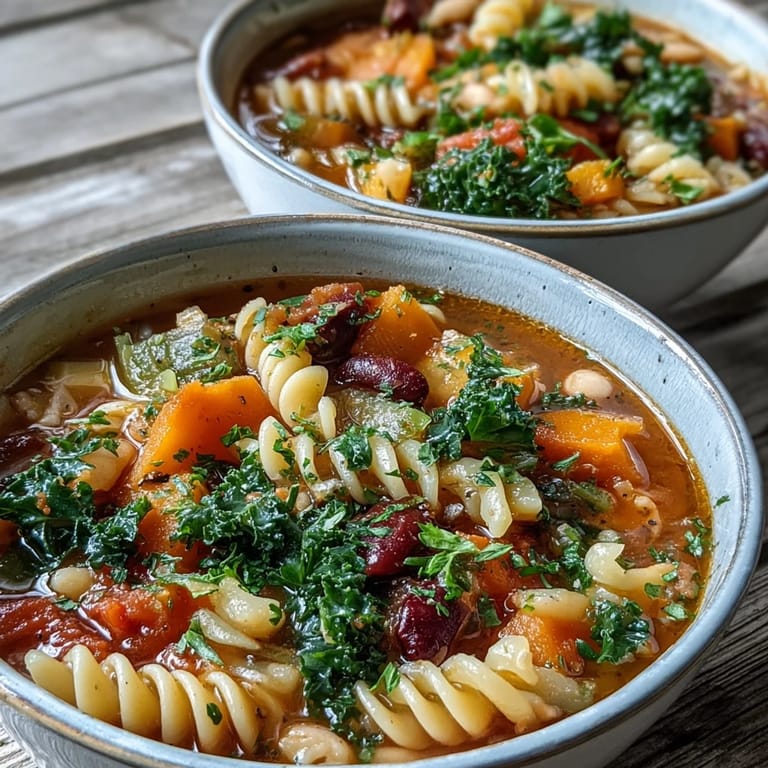
Save The first snow of December was falling when I created this minestrone soup, standing at my kitchen window watching white flakes settle on the garden where summer vegetables once grew. My pantry was stocked with butternut squash from the farmers market, and bundles of kale still thrived in the cold frame outside. Something about combining these winter warriors with the comfort of beans and pasta felt like wrapping my kitchen in a warm blanket.
Last winter, my neighbor recovered from surgery and I brought over a pot of this minestrone. Weeks later, she confessed that while she appreciated all the meals friends delivered, this soup was the only one her entire family requested again. Her eight-year-old had dubbed it magic soup because it somehow convinced him to eat kale without complaint. Now whenever I make it, I think of her family gathered around their table, restored by something so simple.
Ingredients
- Butternut Squash: Look for one with a matte rather than glossy skin, which indicates its properly ripened and will have that perfect sweet earthy flavor.
- Kale: Lacinato kale works beautifully here, but any variety will do as long as you remove those tough stems.
- Cannellini Beans: These creamy white beans hold their shape while absorbing the broth flavors, but dont hesitate to swap in navy beans or chickpeas from your pantry.
- Small Pasta: Tiny shapes like ditalini or elbows are perfect for catching broth in their crevices without overwhelming the vegetables.
- Herbs: The combination of oregano, thyme, and rosemary creates that quintessential Italian flavor profile that makes this soup sing.
Tired of Takeout? 🥡
Get 10 meals you can make faster than delivery arrives. Seriously.
One email. No spam. Unsubscribe anytime.
Instructions
- Build Your Flavor Base:
- Heat olive oil in a large pot over medium heat, then add your diced onion, carrots, and celery. Listen for that gentle sizzle as they soften for 5-6 minutes, releasing their sweetness.
- Awaken The Aromatics:
- Stir in minced garlic and cook just until fragrant, about 1 minute. The kitchen should fill with that irresistible aroma that draws everyone near.
- Add Winter Vegetables:
- Tumble in your butternut squash and zucchini cubes, letting them cook for 4-5 minutes. Youll notice them taking on a slight sheen as they begin to soften.
- Create Your Broth Base:
- Pour in those diced tomatoes with their juices, vegetable broth, and water. Bring everything to a gentle boil, watching as the colors meld together.
- Season With Intention:
- Add your dried oregano, thyme, rosemary, and red pepper flakes if using. Reduce the heat and let everything simmer uncovered for 15 minutes, allowing the herbs to infuse the broth.
- Introduce Beans And Pasta:
- Stir in cannellini beans and pasta, then continue simmering for 8-10 minutes. Watch for the pasta to become tender and the squash to yield easily to a spoon.
- Finish With Greens:
- Add the chopped kale and cook just 2-3 minutes until it wilts but maintains its vibrant color. Now taste and adjust with salt and pepper until the flavors sing.
- Final Touches:
- Remove from heat and stir in fresh parsley. The bright green flecks should contrast beautifully with the orange and red hues of the soup.
- Serve With Joy:
- Ladle this liquid comfort into wide bowls and finish with a shower of grated Parmesan if desired. The cheese will melt slightly into the hot broth, creating tiny pockets of savory richness.
 Save
Save One particularly cold evening last January, I served this minestrone as the first course for a dinner party. The conversation had been stilted until bowls of this steaming soup appeared, topped with curls of Parmesan. Something about its warmth loosened everyone up, and by the time the main course arrived, the dining room hummed with laughter and storytelling. Sometimes I think food doesnt just feed bodies but creates spaces where connections can happen.
Seasonal Adaptations
While this is decidedly a winter soup, Ive created summer versions with fresh corn and green beans in place of butternut squash. Spring calls for baby spinach and asparagus, while autumn welcomes sweet potato and chard. The beauty of minestrone lies in its flexibility to embrace whatever vegetables are thriving in your garden or looking best at the market.
Serving Suggestions
Theres something magical about dunking crusty bread into this broth, allowing it to soak up all those flavors. For a complete meal, I often serve it with a simple arugula salad dressed with lemon juice and olive oil, the brightness contrasting perfectly with the soups depth. A glass of Pinot Grigio or light Chianti alongside makes even a weeknight dinner feel like a special occasion.
Storage and Freezing
This soup develops deeper flavor as it sits, making it perfect for meal prep or batch cooking sessions. The colors darken slightly but the taste becomes more complex and integrated.
- Refrigerate leftovers in airtight containers for up to 5 days, adding a splash of broth when reheating if its thickened too much.
- For freezing, slightly undercook the pasta and cool completely before transferring to freezer containers, leaving room for expansion.
- Thaw overnight in the refrigerator rather than using the microwave for the best texture preservation.
 Save
Save This winter minestrone isnt just a recipe in my collection, its a ritual that marks the changing seasons and brings comfort during the coldest months. Whatever adaptations you make, I hope it brings the same warmth to your kitchen and those you share it with.
Recipe FAQs
- → Can I make this minestrone ahead of time?
Absolutely. This soup actually tastes better the next day as flavors meld. Store in the refrigerator for up to 4 days. The pasta will absorb some liquid, so add extra broth when reheating.
- → What pasta works best in minestrone?
Ditalini, elbow macaroni, or small shells are traditional choices. Their small shape holds up well in soup. Avoid long noodles or very tiny pastas like orzo that might become mushy.
- → Is butternut squash necessary?
You can substitute other winter squash like acorn, delicata, or pumpkin. Sweet potatoes also work beautifully. Aim for about 1½ pounds of squash cubed into similar-sized pieces.
- → How do I store and freeze leftovers?
Refrigerate in airtight containers for 4-5 days. For freezing, leave out the pasta and add fresh pasta when reheating. Frozen soup keeps well for 3 months. Thaw overnight in the refrigerator.
- → Can I use fresh herbs instead of dried?
Yes, use three times the amount of fresh herbs. Add 1 tablespoon each of chopped fresh oregano, thyme, and rosemary during the last 5 minutes of simmering to preserve their bright flavor.
- → What's the secret to deeper flavor?
Simmer a Parmesan cheese rind in the broth for the last 20 minutes. It adds incredible umami richness without overpowering. Remove before serving.